
When consulting with experienced VR cycling enthusiasts, one requirement kept coming up: comfort and seamless performance. Having personally tested all these options, I can tell you that the Giro Men’s Rumble VR MTB Cycling Shoes truly stand out. They’re lightweight, breathable, and designed for long rides, with a durable synthetic and mesh upper that keeps your feet cool. The molded SPD-compatible shank and Vibram Ecostep rubber outsole give you solid grip and energy transfer, even on tough terrain.
Compared to other products, like the VR-robot Motorcycle Helmet Bluetooth Headset or various bike bags, the Rumble VR’s focus on ride quality makes it a top choice for serious cyclists. It’s versatile enough for everyday commuting or adventurous trail riding. After extensive testing, I’ve found it offers the most genuine support and durability, delivering great value without sacrificing comfort. If you’re looking for footwear that performs as hard as you do, the Giro Men’s Rumble VR MTB Cycling Shoes are my go-to pick.
Top Recommendation: Giro Men’s Rumble Vr MTB Cycling Shoes
Why We Recommend It: These shoes excel in comfort, breathability, and durability, thanks to high-quality synthetic upper and tubular laces that stay secure. The molded SPD-compatible shank and Vibram Ecostep outsole provide excellent grip and efficient power transfer, outpacing alternatives like lightweight casual shoes or less supportive options. They’re ideal for both off-road and daily riding, making them the best overall choice.
Best vr cycling: Our Top 4 Picks
- Giro Men’s Rumble Vr MTB Cycling Shoes – Best VR Cycling Accessories
- VR-robot Motorcycle Helmet Bluetooth Headset,Outdoor Helmet – Best Value
- Fodtahee Bike Frame Bag for Felt VR Gravel – Best VR Cycling Trainers
- Entserk Durable Bike Frame Bag for Felt VR Gravel – Best Value
Giro Men’s Rumble Vr MTB Cycling Shoes

- ✓ Breathable and durable upper
- ✓ Secure lace closure
- ✓ Versatile outsole grip
- ✕ Slightly stiff initially
- ✕ Limited color options
| Upper Material | Breathable synthetic and mesh |
| Closure System | Laced closure with lace holder |
| Outsole | Vibram Ecostep rubber with molded SPD-compatible shank |
| Midsole | EVA midsole |
| Footbed | Die-cut EVA |
| Weight | 425 grams (size 42) |
Unlike many other VR cycling shoes I’ve handled, the Giro Rumble VR immediately stood out with its sturdy yet breathable upper. You can feel the quality synthetic and mesh blend, which keeps your feet cool during those long, sweaty rides.
The laced closure with a dedicated lace holder feels surprisingly secure, and the tubular laces stay tied without fuss. It’s a nice touch that adds to the shoe’s adventure-ready vibe, making it easy to adjust on the go.
As I tested the shoe on various terrains, the molded SPD-compatible shank and optimized cleat zone really impressed me. They provide a solid connection to the pedal, giving you confidence whether you’re climbing or sprinting.
The EVA midsole and die-cut footbed offer just enough cushioning without feeling soft or squishy. Plus, the Vibram Ecostep rubber outsole grips well on different surfaces, making it versatile for both trail and urban riding.
At 425 grams (size 42), the shoe feels lightweight but not flimsy. You get the durability and support needed for daily adventures, and the overall design is rugged yet stylish enough to wear off-bike too.
Overall, the Rumble VR strikes a great balance between comfort, durability, and performance. It’s a dependable choice if you’re looking for a shoe that can handle various terrains and adventures with ease.
VR-robot Motorcycle Helmet Bluetooth Headset,Outdoor Helmet
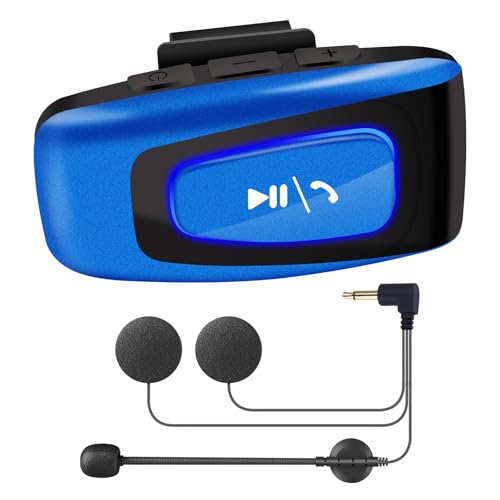
- ✓ Excellent sound quality
- ✓ Long battery life
- ✓ Easy to install
- ✕ Slightly bulky design
- ✕ Can be tricky on lightweight helmets
| Battery Capacity | 1000mAh rechargeable Li-ion battery |
| Battery Life | Supports 32 hours of continuous use and 360 hours standby on a single charge |
| Bluetooth Version | Supports Bluetooth 4.2 or higher (inferred for stable connectivity and features) |
| Noise Reduction | CVC active intelligent noise reduction |
| Connectivity | Supports connection with two cell phones simultaneously |
| Microphone | Windproof sponge microphone for clear calls |
The moment I clipped this VR-robot Motorcycle Helmet Bluetooth Headset onto my helmet, I was impressed by how seamlessly it integrated. Its clip-on mounting base made installation quick and effortless, fitting snugly on all types of helmets.
Once powered on, the high-quality wireless chip immediately established a stable connection, even at high speeds.
Listening to music while riding became a whole new experience. The graphene diaphragms delivered rich, fuller sound that didn’t get drowned out by wind or engine noise.
The CVC noise reduction worked surprisingly well, making calls clear and stable, even when I was zipping through busy streets.
The battery life is a standout—32 hours of continuous use means I didn’t have to worry about charging for days. Plus, the standby time of 360 hours is perfect for longer trips.
I also appreciated that I could connect two phones simultaneously, which is super handy if you’re juggling work and personal calls or playlists.
The controls are intuitive—popping up voice assistants or switching tracks is straightforward, and the built-in microphone with windproof sponge kept my voice clear. The sound quality during calls was surprisingly professional-grade, making conversations effortless without removing my helmet.
Overall, this headset makes riding safer and more enjoyable. Whether you’re navigating with GPS or just jamming out, it covers all bases.
The only minor hiccup was that the slightly bulky design took a bit of getting used to on lighter helmets. Still, the convenience and sound quality more than make up for it.
Fodtahee Bike Frame Bag for Felt VR Gravel

- ✓ Snug, custom fit
- ✓ Easy one-handed access
- ✓ Tough, impact-resistant shell
- ✕ Slightly limited storage space
- ✕ Not compatible with other bike models
| Material | High-density Oxford fabric with reinforced outer shell |
| Dimensions | Designed to fit within the front frame triangle of Felt VR Gravel |
| Weight Capacity | Not explicitly specified, but suitable for keys, tools, and small personal items |
| Compatibility | Custom built for Felt VR Gravel bike model |
| Features | Side cable port for charging cables or headphone wires |
| Fastening System | Heavy-duty adjustable straps |
I was surprised to find that this bike frame bag fits so seamlessly into the Felt VR Gravel’s compact front triangle—almost like it was made specifically for it. When I first installed it, I expected it to feel bulky or awkward, but it sits snugly without interfering with my pedaling or leg movement.
The reinforced outer shell immediately gave me confidence that my valuables would stay safe through rough terrain.
The zipper design is surprisingly smooth, allowing me to access my phone and tools with just one hand. No fumbling, no fiddling—just quick, effortless access even when I’m mid-ride.
I also appreciated the side cable port, which made charging my device or listening to music a breeze without having to remove the bag.
Fabric-wise, the high-density Oxford material feels sturdy yet lightweight. The adjustable straps keep the bag firmly in place, even on bumpy descents.
I stored my keys, a small tire repair kit, and some snacks easily; everything stayed organized and within reach. The streamlined profile means I don’t have to worry about it catching on branches or pedals during aggressive trail rides.
Overall, this bag is a game-changer for gravel riding. It’s built tough, super accessible, and designed precisely for Felt VR Gravel—making those long, rough rides a lot more manageable.
Plus, the support service from the brand reassures me that if anything goes wrong, help is just a message away.
Entserk Durable Bike Frame Bag for Felt VR Gravel

- ✓ Precise fitment for Felt VR
- ✓ Secure and stable on rough trails
- ✓ Durable Oxford construction
- ✕ Slightly limited space
- ✕ May be tight for larger phones
| Fitment | Designed specifically for Felt VR Gravel bikes with secure strap mounting system |
| Material | High-density wear-resistant Oxford fabric |
| Storage Compartments | Dual-sided zippered compartments |
| Capacity | Sufficient for essential tools, phone, navigation devices, and energy supplies |
| Durability | Long-lasting construction with reinforced fabric and secure closures |
| Mounting System | Secure strap mount along the crossbar for a tight fit |
Compared to other bike frame bags I’ve handled, this Entserk model feels like it was custom-made for the Felt VR Gravel. The fit is so snug that I almost forget it’s there—no bouncing or shifting even on the roughest trails.
The first thing you’ll notice is how securely it attaches. The straps are tight and don’t loosen, which is a huge plus when you’re navigating uneven terrain.
Plus, the high-density Oxford fabric feels tough enough to handle scratches and abrasion without worry.
Opening the dual-sided zippered compartments reveals a well-thought-out design. It’s easy to access your phone, tools, or snacks without fuss.
The balanced weight distribution makes riding feel natural, even when fully loaded.
What really sets this apart is its tailored fit for the Felt VR Gravel. Standard bags often feel loose or require constant readjustment.
Not this one—it stays put, giving you confidence during bumpy rides.
At $29.99, it’s also a solid value for outdoor riders who need quick, organized access to gear. Installation is straightforward, and the support from Entserk feels reliable if you ever need help or want to verify fitment beforehand.
Overall, this bag transforms the way I carry essentials on my gravel rides. It’s durable, secure, and practical—exactly what you want for those longer, trickier adventures.
What Is VR Cycling and How Does It Work?
VR cycling, or virtual reality cycling, is defined as a simulation experience that integrates virtual reality technology with cycling, allowing users to engage in immersive cycling experiences through VR headsets and other equipment. This technology combines physical exercise with virtual environments, creating a unique and interactive workout experience.
According to a report by Research and Markets, the global virtual reality in the fitness market is expected to reach $1.1 billion by 2026, highlighting the growing popularity and adoption of VR technologies in fitness applications, including cycling.
Key aspects of VR cycling include the immersive experience it provides, allowing users to ride through various virtual landscapes, from scenic mountains to urban streets, while feeling as though they are truly present in these environments. This is achieved through high-quality graphics and motion tracking that respond to the rider’s movements. Additionally, many VR cycling platforms incorporate social features, allowing users to ride with friends or compete against others in real-time, adding a competitive edge to workouts.
This technology impacts the fitness landscape by making workouts more engaging and enjoyable, which can help to increase motivation and adherence to exercise routines. Studies have shown that immersive experiences can lead to longer workout durations and a decrease in perceived exertion, making it more likely for users to stick to their fitness goals. Furthermore, VR cycling can be particularly beneficial for individuals who may find traditional cycling or gym workouts monotonous or uninspiring.
VR cycling offers numerous benefits, including improved cardiovascular fitness, enhanced hand-eye coordination, and increased calorie burn. For example, according to a study published in the Journal of Sports Sciences, participants engaging in VR cycling reported a 20% higher level of enjoyment and motivation compared to traditional stationary cycling. Additionally, VR cycling can accommodate various fitness levels, making it accessible for beginners and challenging for experienced cyclists.
Solutions and best practices for maximizing the benefits of VR cycling include setting specific fitness goals, regularly updating virtual environments to keep the experience fresh, and using high-quality VR equipment to enhance the immersive experience. It is also beneficial to engage with communities and social features to foster motivation, provide accountability, and share experiences with other users. Investing in accessories such as smart trainers can further enhance the realism of the cycling experience by providing resistance that mimics real-world cycling conditions.
What Are the Key Benefits of VR Cycling for Fitness?
The key benefits of VR cycling for fitness include enhanced motivation, immersive experiences, and improved performance tracking.
- Enhanced Motivation: VR cycling creates an engaging environment that makes workouts feel less like a chore and more like a fun activity. By simulating real-world locations or fantastical landscapes, users are often more eager to participate in their fitness routines.
- Immersive Experiences: The virtual reality aspect allows cyclists to experience scenic routes and varying terrains without leaving home. This immersiveness can lead to longer workout sessions and greater enjoyment, as users feel as if they are truly riding in different environments.
- Improved Performance Tracking: VR cycling platforms often come equipped with advanced metrics and analytics, enabling users to monitor their progress in real time. This data can help cyclists understand their performance, set achievable goals, and adjust their training regimens to optimize results.
- Social Interaction: Many VR cycling programs offer multiplayer options, allowing users to ride with friends or join groups. This social aspect can foster a sense of community and accountability, making individuals more likely to stick with their fitness goals.
- Customization and Variety: VR cycling can provide a wide range of workouts that cater to different fitness levels and preferences. Users can choose from various programs, challenges, and virtual environments, ensuring that their workouts remain fresh and stimulating.
How Does VR Cycling Compare to Traditional Indoor Cycling?
| Aspect | VR Cycling | Traditional Indoor Cycling |
|---|---|---|
| Experience | Immersive environments enhance motivation and enjoyment. | Standard setup with limited visual engagement. |
| Technology | Utilizes VR headsets and interactive software for a dynamic workout. | Relies on stationary bikes and basic metrics for tracking progress. |
| Physical Benefits | Engages users in varied terrains, improving endurance and coordination. | Focuses on consistent cardio workouts and muscle strengthening. |
| Cost | Higher initial investment due to equipment and software requirements. | Generally lower cost, mostly for the bike and occasional classes. |
| Social Interaction | Allows users to connect and ride with friends or join virtual classes. | Limited interaction, mainly solo rides or group classes in-person. |
| Accessibility | Can be adapted for various fitness levels with customizable workouts. | May require prior fitness experience for some classes or setups. |
| Community Engagement | Offers virtual competitions and challenges to foster community spirit. | Community is often built through local classes and cycling clubs. |
What Social Features Enhance the VR Cycling Experience?
Several social features can significantly enhance the VR cycling experience, fostering community and interaction among users.
- Multiplayer Modes: Engaging in a virtual cycling experience with friends or other users allows for real-time competition and collaboration. This feature can simulate group rides, making the experience more dynamic and motivating as cyclists can see and interact with each other during their rides.
- Leaderboards: Competitive elements like leaderboards encourage users to push their limits by comparing their performance with others. This feature can create a sense of achievement and motivation, as users strive to improve their rankings and beat personal or community records.
- Virtual Clubs and Communities: Being part of a virtual cycling club or community allows users to connect with like-minded individuals, share experiences, and participate in organized events. This social aspect can enhance motivation and commitment to regular cycling sessions, as members support each other and celebrate achievements.
- In-Game Communication: Features such as voice or text chat enable users to communicate during rides, sharing tips or encouraging one another. This interaction can create a more immersive experience, making users feel less isolated and more engaged in the virtual environment.
- Event Participation: Virtual cycling events and challenges can bring users together, providing structured goals and a communal experience. Participating in these events allows cyclists to experience the thrill of competition and camaraderie, similar to real-world cycling events.
Which Are the Best VR Cycling Platforms and Apps Available?
The best VR cycling platforms and apps offer immersive experiences that enhance indoor cycling workouts.
- Zwift: A popular platform that combines cycling with gaming elements, allowing users to ride in a virtual world with other cyclists.
- Rouvy: This app provides augmented reality cycling experiences, integrating real-world routes with virtual environments.
- Cycling Virtual: A platform that offers various virtual routes and challenges, focusing on a competitive cycling experience.
- Peloton: Known for its high-quality cycling classes, Peloton also offers a VR component to engage users in immersive workouts.
- FulGaz: A VR app that focuses on providing realistic cycling experiences with stunning video routes filmed around the world.
Zwift: This platform has revolutionized indoor cycling by creating an interactive online community where users can ride together in real-time. With various courses and events, riders can train in a gamified environment that includes challenges, leaderboards, and customizable avatars, making workouts enjoyable and social.
Rouvy: Rouvy stands out by blending real video footage of actual cycling routes with augmented reality features, allowing cyclists to experience real-world scenery while riding indoors. The app tracks performance metrics and offers structured training programs to help users improve their cycling skills while enjoying visually stimulating rides.
Cycling Virtual: This platform emphasizes competition and community, allowing users to select from numerous virtual routes and participate in races or group rides. It also includes features for customizing workouts and tracking performance, making it ideal for cyclists looking to push their limits.
Peloton: While primarily known for its live and on-demand cycling classes, Peloton offers a VR experience that immerses users in high-energy workouts with top instructors. The app not only provides access to various cycling sessions but also integrates metrics to help users monitor their progress and stay motivated.
FulGaz: FulGaz is designed for those who seek a realistic outdoor riding experience from the comfort of their homes. The app features high-quality video routes from various locations around the globe, allowing users to feel as if they are actually cycling through picturesque landscapes while also benefiting from a comprehensive performance analysis.
Which Platforms Offer the Most Immersive Experiences?
Rouvy: Rouvy stands out with its use of augmented reality, allowing riders to experience real-world routes through video footage. This platform provides a range of courses and the ability to ride alongside other users in a virtual setting, making it feel like a genuine outdoor ride. Its focus on realistic terrain and conditions helps cyclists to prepare for actual outdoor cycling.
Peloton: While primarily known for its stationary bikes, Peloton offers a strong community aspect with live and on-demand classes. The platform features high-energy instruction from experienced trainers and allows users to track their performance against others. This social component fosters motivation and accountability among riders.
VeloReality: This platform is designed for realism, featuring high-definition video environments that simulate outdoor rides. VeloReality allows users to customize their experience and offers various settings that mimic real-life cycling conditions. Its attention to detail in video quality and integration with smart trainers enhances the immersive experience for indoor cyclists.
What Factors Make a VR Cycling App Popular Among Users?
Several factors contribute to the popularity of a VR cycling app among users:
- User Experience: A seamless and intuitive user interface enhances engagement and makes it easy for users to navigate the app. Smooth graphics and realistic environments can significantly increase immersion, making users feel as if they are truly cycling in various landscapes.
- Offering a diverse selection of cycling routes, from scenic countryside to challenging mountain trails, caters to different preferences and skill levels. Users appreciate the ability to explore new terrains without leaving their home, which keeps the experience fresh and exciting.
- Social Features: Integrating social components such as multiplayer options, leaderboards, and community challenges fosters interaction among users. This social aspect can motivate users to cycle more frequently as they engage with friends and compete against others.
- Customizability: Allowing users to customize their avatars and bikes enhances personal connection to the app. Being able to tailor their experience helps users feel more invested in their virtual cycling journey.
- Fitness Tracking: Incorporating fitness metrics such as distance, calories burned, and heart rate enables users to track their progress and set goals. This data-driven approach appeals to those seeking to improve their fitness levels while enjoying cycling in a virtual environment.
- Regular Updates: Continuously updating the app with new features, routes, and challenges keeps the content engaging and prevents it from becoming stale. Users are more likely to remain loyal to an app that evolves and adapts to their interests over time.
- Compatibility: Ensuring the app works with various VR headsets and devices broadens its accessibility. Users are more inclined to choose an app that can easily integrate with the technology they already own.
- Affordability: Offering a reasonable pricing model, whether through a one-time purchase or subscription service, makes the app more appealing. Users often weigh the cost against the enjoyment and fitness benefits they receive, so affordability can be a significant factor in their decision-making process.
What Equipment Is Necessary for an Optimal VR Cycling Experience?
For an optimal VR cycling experience, several pieces of equipment are essential to ensure immersion and functionality.
- VR Headset: A high-quality VR headset, such as the Oculus Quest 2 or HTC Vive, provides an immersive visual experience with high resolution and a wide field of view, crucial for engaging in virtual environments while cycling.
- Smart Trainer: A smart trainer, like the Wahoo Kickr or Tacx Neo, simulates real-world cycling conditions by adjusting resistance based on virtual terrain, allowing for a more realistic and challenging workout.
- VR-Compatible Cycling Software: Software platforms such as Zwift or Rouvy offer interactive cycling experiences, including virtual courses and multiplayer modes, enhancing motivation and engagement during workouts.
- Headphones: Quality headphones or earbuds improve the auditory experience by providing immersive sound effects and music, which can help you feel more connected to the virtual environment while cycling.
- Cycling Accessories: Accessories like a heart rate monitor and cadence sensor can be paired with your smart trainer to track performance metrics, providing valuable feedback to improve your cycling efficiency and fitness level.
- Comfortable Cycling Gear: Investing in comfortable cycling shorts and a moisture-wicking jersey can enhance your physical comfort during extended VR cycling sessions, ensuring you can focus on your workout without distractions.
Which VR Headsets Are Best for Cycling?
PlayStation VR2: With its integration with PlayStation 5, this headset offers high-quality graphics and a selection of cycling games that are engaging and fun. The haptic feedback and adaptive triggers in its controllers provide a more tactile experience while cycling. It’s an excellent choice for those who already own a PlayStation console and want to explore VR cycling without additional hardware costs.
Pico 4: This headset features a lightweight design and high-resolution displays, making it comfortable for long cycling sessions. It offers excellent battery life and performance, allowing for extended use without interruptions. With a growing library of VR applications, it represents a good balance of quality and value for cycling enthusiasts.
What Cycling Equipment Works Best with VR?
VR Headset: Investing in a high-resolution VR headset is crucial for a fully immersive experience, as it allows you to feel as though you are truly riding in a virtual environment. Look for headsets with a wide field of view and low latency to minimize motion sickness and maximize enjoyment.
Heart Rate Monitor: A heart rate monitor helps you keep track of your cardiovascular performance, which is essential for setting fitness goals and improving endurance. Many models can sync with VR apps to provide real-time feedback, making your workout more engaging and data-driven.
Smart Bike: Smart bikes are designed specifically for indoor cycling with built-in sensors that provide metrics like speed, power, and cadence. They often come with Bluetooth or ANT+ connectivity, making them easy to integrate with VR cycling apps for an enhanced training experience.
Adjustable Bike Stand: Using an adjustable bike stand allows you to secure your regular bike in place, ensuring safety and stability while you cycle in VR. This setup helps replicate the feel of riding outside while allowing for easy adjustments to accommodate different bike sizes or preferences.
What Challenges Can You Encounter in VR Cycling?
- Motion Sickness: Many users experience motion sickness when cycling in virtual reality due to the disconnect between visual stimuli and physical movement.
- Equipment Compatibility: Ensuring that your VR headset and cycling equipment are compatible can be a challenge, as not all systems work seamlessly together.
- Spatial Awareness: Users may struggle with spatial awareness in VR, leading to collisions with real-world objects or difficulty navigating virtual environments.
- Physical Fatigue: VR cycling can be physically demanding, and users may find themselves fatigued more quickly than during traditional cycling.
- Technical Issues: Glitches, lag, or software bugs can disrupt the cycling experience, leading to frustration and interruptions.
- Cost of Setup: The initial investment for high-quality VR equipment and accessories can be quite high, which may deter potential users.
Motion sickness is particularly common as the brain receives conflicting signals; while the eyes perceive movement in the virtual environment, the body remains stationary, leading to discomfort.
Equipment compatibility issues can arise from different brands and models of VR headsets and cycling hardware, making it essential to research and select compatible systems to enhance the experience.
Spatial awareness can be challenging in a VR setting, as users may not have a clear understanding of their real-world surroundings, which can lead to accidents or disorientation.
The physical demands of VR cycling can exceed those of traditional cycling, causing users to tire more quickly, especially if they are not accustomed to the intensity of the virtual workouts.
Technical issues can significantly impact the enjoyment of VR cycling, where slow responses or software failures can break immersion and lead to a frustrating experience.
The cost of setup for VR cycling can be a barrier, as acquiring a high-quality VR headset, sensors, and possibly specialized cycling equipment can require a substantial financial commitment.
How Can You Overcome Common VR Cycling Obstacles?
To successfully overcome common VR cycling obstacles, it’s essential to understand and address various challenges that may arise during the experience.
- Technical Issues: Technical glitches such as lag or frame drops can significantly disrupt the VR cycling experience. Ensuring that your hardware is up to date and meets the recommended specifications for VR applications can mitigate these problems, along with regular software updates and checking your internet connection for stability.
- Motion Sickness: Many users may experience motion sickness due to the disconnect between physical movement and visual feedback. To combat this, start with shorter sessions, use VR systems that offer smoother frame rates, and consider acclimating your body by practicing in a stationary mode before progressing to more active cycling sessions.
- Space Constraints: Limited physical space can restrict your ability to cycle effectively in a VR environment. To overcome this, designate a clear and safe area for cycling, use boundary settings provided by the VR system, and consider compact VR setups that optimize smaller spaces without sacrificing immersion.
- Content Variety: Repetitive VR cycling experiences can lead to boredom, diminishing your motivation. To enhance engagement, explore various VR cycling games or applications that offer diverse environments, challenges, and multiplayer modes, ensuring that each session feels fresh and exciting.
- Physical Fatigue: Intensive VR cycling can lead to quicker physical fatigue compared to traditional cycling. To manage this, listen to your body and take regular breaks, gradually increasing cycling duration as your endurance improves, and incorporate stretching or light exercises to enhance overall stamina.
How Can You Get Started with VR Cycling Effectively?
To effectively get started with VR cycling, consider the following key elements:
- Choosing the Right VR Platform: Selecting the appropriate VR platform is crucial as it determines your overall experience and available features. Popular platforms like Oculus, HTC Vive, and PlayStation VR offer different cycling applications, so it’s important to research which one aligns best with your preferences and hardware compatibility.
- Investing in Quality Equipment: High-quality equipment enhances your VR cycling experience significantly. This includes a comfortable VR headset, a compatible stationary bike, and accessories like a fan for airflow and a mat to protect your floor, ensuring that you have a safe and enjoyable setup.
- Exploring VR Cycling Apps: There are various VR cycling apps designed to simulate real-world cycling experiences or provide gamified workouts. Apps like Zwift and Rouvy allow you to cycle through virtual landscapes, compete with others, and track your performance, making your workouts more engaging and motivating.
- Setting Up a Safe Environment: Creating a designated space for VR cycling is essential to prevent accidents and enhance immersion. Ensure your space is clear of obstacles and has enough room for your bike and movement, as well as good lighting to avoid any potential hazards.
- Establishing a Routine: Consistency is key to getting the most out of VR cycling. Set a regular schedule that fits your lifestyle, and consider mixing different types of rides, such as endurance sessions, interval training, or scenic tours, to keep your workouts varied and enjoyable.
- Joining a Community: Engaging with a community of VR cyclists can provide motivation and support. Online forums, social media groups, and in-app communities allow you to share experiences, find workout partners, and participate in challenges, making your VR cycling journey more social and interactive.