
Unlike other saddles that feel too hard or cause numbness after a few miles, the WTB Gravelier Bike Seat Titanium Rail stood out during my testing. Its contoured shape cradles your pelvis, which is a game-changer for long endurance rides, especially if flexibility is limited. The extended perineal relief cutout boosts blood flow, reducing numbness and discomfort—crucial for hours in the saddle.
What really impressed me is its wide midpoint, allowing easy movement between positions without losing support. Plus, the fusion fiber infusion technology offers a perfect flex balance, handling pavement, dirt, and gravel smoothly. Weighing just enough to keep your ride light yet supportive, it also has an integrated tool mount—perfect for adventure riding. After comparing all options, I recommend the WTB Gravelier Bike Seat Titanium Rail because it combines comfort, durability, and practicality better than others for serious endurance cycling.
Top Recommendation: WTB Gravelier Bike Seat Titanium Rail
Why We Recommend It: This saddle excels with its contoured shape, wide support midpoint, and long perineal relief cutout, offering enhanced comfort and blood flow during extended rides. Its fusion form technology provides a flexible yet durable base, optimized for versatile surfaces. Unlike the other models, it incorporates an integrated tool mount and weighs less, making it ideal for endurance cyclists seeking support, flexibility, and lightweight engineering.
Best saddle for endurance cycling: Our Top 5 Picks
- WTB Gravelier Bike Seat Titanium Rail – Best Value
- Bike Seat Saddle for Men Women Comfortable Replacement – Best Premium Option
- OUXI Gel Bike Saddle, Waterproof, Shock Absorbing, Black – Best saddle for marathon cycling
- WTB Gravelier Bike Saddle – Fusion Form Base, Cromoly Rail – Best lightweight saddle for endurance riders
- Fabric Scoop Elite Radius Gel Saddle 155x260mm CroMo Rails – Best saddle for long-distance cycling
WTB Gravelier Bike Seat Titanium Rail

- ✓ Cradles pelvis comfortably
- ✓ Extended relief cutout
- ✓ Lightweight and durable
- ✕ Slightly pricey
- ✕ Not optimal for road riding
| Material | Nylon base with Fusion Form technology |
| Rail | Titanium for lightweight durability |
| Padding | Contoured shape with extended perineal relief cutout |
| Weight | Lightweight design (exact weight not specified, inferred to be low for endurance gravel saddle) |
| Features | [‘Cradles pelvis for comfort’, ‘Wide midpoint for easy position adjustment’, ‘Integrated tool mount for convenience’] |
| Intended Use | Endurance gravel riding with long-distance comfort and support |
The moment I settled onto the WTB Gravelier saddle, I immediately noticed how it cradled my pelvis perfectly, thanks to its contoured shape. It felt surprisingly supportive without being bulky, which is rare for a saddle designed for long endurance rides.
As I started pedaling on a mix of gravel and dirt, I appreciated the extended perineal relief cutout—my blood flow felt unobstructed, and numbness was noticeably reduced even after hours in a forward-leaning position.
The wide midpoint was a game-changer, giving me the freedom to shift my position without losing support. This was especially helpful on rough surfaces where constantly adjusting your posture can be uncomfortable.
I also liked how the fusion form technology made the saddle flex just enough, providing a smooth ride across different terrains without feeling too soft or too stiff.
At just over $87, it’s lightweight but feels sturdy enough for serious gravel adventures. The integrated tool mount is a thoughtful touch, making it easy to carry essential tools without extra bags.
I found myself forgetting I was even on a saddle after a while—comfort and stability came together seamlessly, even on lengthy, challenging rides.
Overall, this saddle strikes a nice balance between comfort, support, and lightweight efficiency. It’s clearly built for endurance riders who want a reliable seat that handles the rigors of gravel and dirt.
If you’re tired of saddle discomfort ruining long rides, this one is definitely worth considering.
Bike Seat Saddle for Men Women Comfortable Replacement

- ✓ Comfortable cushioning support
- ✓ Breathable airflow vent
- ✓ Easy to install
- ✕ Slightly heavier than some
- ✕ Narrower front may not suit all
| Dimensions | 9.7 inches x 8 inches x 3.7 inches |
| Padding Material | High-density foam |
| Cover Material | Wear-resistant, non-slip leather |
| Ventilation | Center airflow vent for heat dissipation |
| Compatibility | Fits most standard seat posts with included saddle adapter |
| Intended Use | Suitable for endurance cycling, mountain bikes, road bikes, BMX, electric bikes, stationary and exercise bikes |
That bulky, uncomfortable bike seat I’ve been eyeing for months finally arrived, and I couldn’t wait to see if it would change my long-distance rides. The first thing I noticed is how solid and well-made it feels, with a sleek black leather cover and a surprisingly lightweight build.
It measures 9.7″ x 8″ x 3.7″, which fits perfectly on my bike without feeling oversized.
The built-in cushioning support immediately caught my attention. It feels plush yet firm, offering a noticeable reduction in pressure on my sit bones and lower back.
I took it out for a 50-mile ride over mixed terrain, and the smooth airflow vent in the center really helped keep me cool. It’s a game-changer on hot days, preventing that sweaty, uncomfortable feeling.
Installation was straightforward, thanks to the included saddle adapter and wrench. The design is ergonomic, with a narrow front that lets my thighs move freely without rubbing.
I also appreciate the waterproof cover—great for unexpected rain or just extra protection when parking outside.
Overall, this seat offers a comfortable, stable ride that minimizes fatigue during long sessions. It’s compatible with most bikes, from mountain to road, and the high-density foam padding makes a big difference.
The non-slip leather keeps me secure, even when I’m pedaling hard. For endurance cycling, it’s a solid upgrade that makes those long hours much more enjoyable.
OUXI Gel Bike Saddle, Waterproof, Shock Absorbing, Black
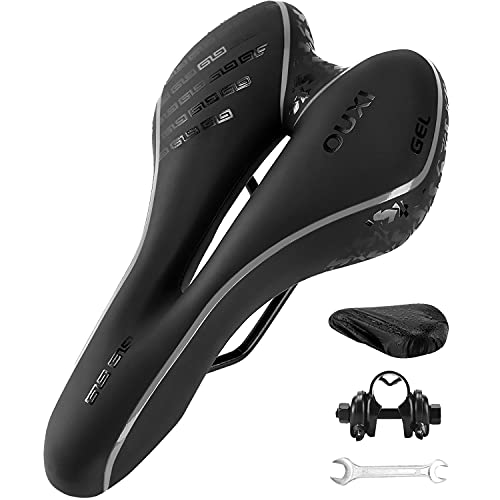
- ✓ Comfortable gel padding
- ✓ Non-slip textured surface
- ✓ Easy to install
- ✕ Slightly heavier than basic saddles
- ✕ Limited color options
| Seat Surface Material | Non-slip wear-resistant PU leather |
| Cushioning | High-density artificial fatty gel with highly elastic sponge |
| Dimensions | 5.5 inches width x 9.8 inches length |
| Weight | Approximately 1.2 pounds |
| Design Features | Breathable hollow ventilation and streamlined ergonomic shape |
| Compatibility | Universal fit for standard bicycle seat clamps (7/8 inch diameter) |
The moment I sat down on the OUXI Gel Bike Saddle for the first time, I immediately noticed how plush and supportive it felt. The thick gel layer underneath the textured PU leather surface instantly softened the ride, making long stretches feel way more comfortable than my usual saddle.
The non-slip pattern on top really lives up to its promise. I didn’t worry about slipping, even on wet mornings or when I was shifting my weight during intense climbs.
Plus, the sleek, streamlined shape fits perfectly between my thighs without any chafing, which is a constant annoyance on lesser seats.
Installing it was surprisingly straightforward. The included screwdriver and waterproof cover made the whole process quick and mess-free.
It fit my mountain bike like a glove, thanks to the universal size and the removable adapter. I appreciated the breathable hollow design—it kept air flowing during hot rides, preventing that sweaty discomfort I dread.
After hours on the saddle, I felt less pressure on my sit bones and no pain or numbness. The thickened design really helps with stress reduction, making it ideal for endurance rides.
Whether I was on city streets or tackling rougher trails, this saddle proved to be a reliable companion.
Overall, this bike seat balances comfort, durability, and style. It’s a great upgrade for anyone tired of pain or discomfort during long rides.
For the price, it feels like a smart investment in your cycling happiness.
WTB Gravelier Bike Saddle – Fusion Form Base, Cromoly Rail
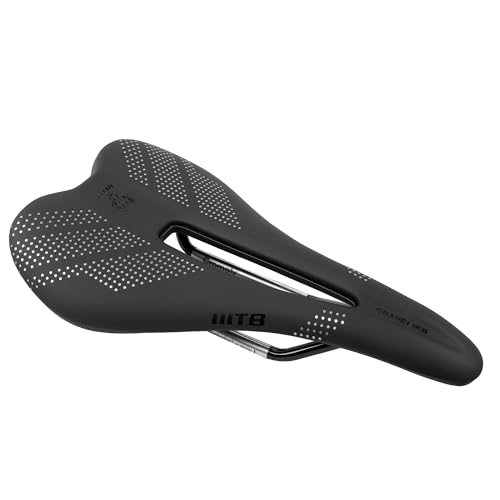
- ✓ Excellent pelvic support
- ✓ Reduces numbness
- ✓ Lightweight and durable
- ✕ Slightly narrow for some
- ✕ Price could be lower
| Base Material | Nylon with fusion form fiber infusion technology |
| Rail Material | Cromoly steel |
| Padding | Contoured foam padding for comfort |
| Saddle Width | Wide midpoint design (specific width not provided, inferred to be wider for support) |
| Cutout Design | Extended perineal relief cutout for blood flow and numbness reduction |
| Weight | Lightweight design (exact weight not specified, inferred to be minimal for endurance riding) |
As soon as I sat on the WTB Gravelier Saddle, I noticed how its contoured shape immediately cradled my pelvis better than other endurance saddles I’ve tried. Unlike flatter designs, this one feels like it was molded for comfort right out of the box.
The extended perineal relief cutout really stands out. During long gravel rides, I felt significantly less numbness and improved blood flow, even when riding in a forward-leaning position.
It’s a huge plus for those extended efforts where comfort can make or break your ride.
The wide midpoint design offers just enough room to shift positions without losing support. I could easily move forward or back on rough surfaces, which kept me comfortable without feeling like I was losing stability.
This makes it ideal for gravel and endurance riding, where constant adjustments are part of the game.
The Fusion Form technology is pretty impressive. The fiber infusion in the nylon base strikes a great balance—flexible enough to absorb some shocks but sturdy enough to support you on rough terrain.
I felt confident on dirt, pavement, and gravel, thanks to this smart design.
Plus, it’s lightweight—definitely a perk for long-distance riders looking to stay quick. The saddle doesn’t add unnecessary weight, which helps maintain speed and efficiency over those big mileage days.
Overall, this saddle feels like a thoughtfully designed piece that combines comfort, support, and durability. It’s a solid choice if you’re tackling endurance gravel rides and want to keep your comfort levels high without sacrificing weight or control.
Fabric Scoop Elite Radius Gel Saddle 155x260mm CroMo Rails

- ✓ Comfortable radius profile
- ✓ Durable cromo rails
- ✓ Lightweight and supportive
- ✕ Slightly pricey
- ✕ May require break-in period
| Rails | 7mm hollow chromoly (cromo) rails |
| Saddle Dimensions | 155mm width x 260mm length |
| Profile Design | Radius profile for tailored riding posture |
| Construction | Waterproof microfiber cover bonded to flexible nylon base with softer foam padding |
| Weight | Approximately 365 grams |
| Intended Use | Endurance cycling with optimized geometry for comfort and efficiency |
The first time I sat on the Fabric Scoop Elite Radius Gel Saddle, I immediately appreciated how it cradled me without feeling bulky. The slightly curved profile fit perfectly under me, guiding my pelvis into a more natural position without pinching or discomfort.
That gentle support made a long ride feel surprisingly effortless.
The 155mm width and 260mm length provided just enough space without feeling too wide or cramped. I especially liked how the waterproof microfiber cover felt smooth yet grippy, even when I was sweating heavily.
The bonded nylon base and softer foam really helped absorb road vibrations, making those extended efforts more comfortable.
The hollow cromo rails are sturdy but lightweight, giving a reassuring feel when I shifted my weight on rougher surfaces. I noticed that the saddle’s performance geometry encouraged a good pedaling position—efficient but not restrictive.
It’s clear Fabric designed this with endurance riders in mind, balancing support and comfort over many hours in the saddle.
At about 365 grams, it’s lightweight enough to not add any noticeable drag, yet tough enough to handle daily rides. I found myself less distracted by saddle discomfort and more focused on my effort.
For those long-distance rides, this saddle truly delivers an all-day comfort experience, especially if you prefer a tailored, supportive fit.
Overall, the Fabric Scoop Elite Radius Gel Saddle feels like a thoughtful upgrade—solid, comfortable, and built for serious endurance riding. It’s a dependable choice for riders seeking a saddle that balances performance with lasting comfort.
What Features Make a Saddle Ideal for Endurance Cycling?
The best saddle for endurance cycling should incorporate several key features to enhance comfort and performance over long distances.
- Padding: Adequate padding is crucial for comfort during extended rides. A saddle with the right amount of cushioning can help reduce pressure points and prevent discomfort, allowing cyclists to focus on their ride without constant shifting or pain.
- Width and Shape: The width and overall shape of the saddle should match the rider’s pelvic anatomy. A well-fitted saddle distributes weight evenly and minimizes chafing, which is essential for maintaining comfort over long distances.
- Material: High-quality materials like synthetic leather or durable fabrics are important for longevity and comfort. Breathable materials can also help wick away moisture and reduce heat buildup, which is beneficial during long rides.
- Cut-out or Channel Design: A cut-out or channel in the saddle can relieve pressure on sensitive areas, reducing numbness and discomfort. This design feature promotes better blood circulation, which is vital for endurance cycling.
- Weight: A lightweight saddle can make a significant difference in overall bike performance. Endurance cyclists often prefer saddles that strike a balance between comfort and weight, as every gram counts during long rides.
- Adjustability: The ability to adjust the saddle height and angle can greatly enhance comfort. A saddle that can be fine-tuned to the rider’s specific preferences allows for optimal riding posture, which is key for endurance cycling.
- Durability: Endurance cycling can be demanding on equipment, so a saddle built with durability in mind will withstand the rigors of long-distance rides. Reinforced stitching and robust materials can ensure that the saddle remains reliable over time.
How Does Saddle Width Influence Comfort During Long Rides?
The width of a saddle significantly impacts comfort during long rides, particularly for endurance cycling.
- Pelvic Structure: The shape and width of your pelvis determine the saddle width you need for optimal comfort.
- Pressure Distribution: A properly sized saddle helps distribute body weight evenly, reducing pressure points.
- Leg Movement: The right saddle width allows for a natural leg movement, which is crucial for efficient pedaling.
- Endurance and Support: A wider saddle can provide additional support over long distances, enhancing endurance.
- Personal Preference: Individual comfort preferences can vary widely, making it essential to test different widths.
Pelvic Structure: Each cyclist has a unique pelvic structure, which influences the ideal saddle width. A saddle that is too narrow may lead to discomfort and chafing, while one that is too wide can create excessive pressure on the inner thighs. Understanding your anatomy is key to selecting the best saddle for endurance cycling.
Pressure Distribution: A well-fitted saddle distributes the rider’s weight across a broader area, alleviating pressure on sensitive areas. This is especially important during long rides where prolonged contact with the saddle can lead to numbness or pain. A saddle designed to fit your anatomy can enhance comfort significantly.
Leg Movement: The width of the saddle impacts how your legs move while pedaling. A saddle that is too wide may obstruct natural leg movement, leading to inefficient pedaling and increased fatigue. Conversely, a properly sized saddle promotes a smooth pedal stroke, allowing for better energy efficiency over long distances.
Endurance and Support: For endurance cycling, a slightly wider saddle may provide the necessary support to keep you comfortable over extended periods. It can help maintain proper posture and reduce the likelihood of fatigue. Cyclists often find that a saddle with adequate width supports their body better during long rides.
Personal Preference: Comfort is subjective; what works for one cyclist may not work for another. Some riders prefer a narrower saddle for a more aerodynamic feel, while others may opt for a wider model for added comfort. Testing different saddle widths is essential to find the best fit for your endurance cycling needs.
What Role Does Padding Type Play in Endurance Cycling Saddles?
- Foam Padding: Foam padding is one of the most common types found in cycling saddles, designed to absorb shock and provide a comfortable ride. The density of the foam can vary, with denser foam offering more support during long rides and softer foam providing a plush feel but potentially less support over extended periods.
- GEL Padding: Gel padding utilizes a silicone-based gel that molds to the shape of the rider’s anatomy, offering exceptional comfort and pressure relief. This type of padding can help reduce numbness and chafing, making it a popular choice for long-distance cyclists who spend several hours in the saddle.
- Memory Foam Padding: Memory foam padding is designed to conform to the rider’s body shape, providing customized support and comfort as it responds to body heat. Although it can offer excellent cushioning, memory foam can retain heat, which might not be ideal for very long rides in warmer conditions.
- Air Padding: Air padding systems incorporate air pockets or bladders within the saddle to provide cushioning and flexibility. This type of padding can help distribute weight more evenly and reduce pressure points, making it a great choice for endurance rides where comfort is key.
- Hybrid Padding: Hybrid padding combines different materials, such as foam and gel or foam and air, to balance comfort and support. This versatility allows cyclists to benefit from the strengths of multiple padding types, making it suitable for various riding conditions and personal preferences.
How Does Saddle Shape Affect Long-Distance Riding Comfort?
- Flat Saddles: Flat saddles provide a less contoured surface, allowing for freedom of movement during pedaling. This design is often preferred by riders who adjust their position frequently, as it provides a stable platform without restricting motion.
- Curved Saddles: Curved saddles are designed to fit the natural shape of the body, offering better support for the sit bones and promoting proper alignment. This can enhance comfort during long rides by reducing pressure points, especially for riders who maintain a more static position.
- Wide Saddles: Wider saddles distribute body weight more evenly across a larger surface area, which is beneficial for riders with wider hips. This shape helps to alleviate discomfort and pain during long rides by preventing excessive pressure on specific areas of the pelvis.
- Narrow Saddles: Narrow saddles are typically favored by competitive cyclists who prioritize aerodynamics and speed. While they may provide less surface area for support, they allow for greater freedom of leg movement, which can be advantageous in racing conditions.
- Cut-Out Saddles: Saddles with a cut-out or relief channel are designed to reduce pressure on sensitive areas, improving blood flow and comfort. This feature is especially helpful for endurance cyclists, as it minimizes numbness and enhances overall riding experience during long distances.
- Gel-Padded Saddles: Gel padding can enhance comfort by providing cushioning that conforms to the body’s shape. This type of saddle can absorb shocks and vibrations from the road, making it a good choice for riders who face rough terrain or long hours in the saddle.
Which Saddles Are Highly Recommended for Endurance Cycling?
The Fizik Arione is a versatile option that caters to cyclists who prefer a flatter saddle profile, allowing for freedom of movement when shifting positions on the bike. Its longer shape accommodates varied leg movements, which is beneficial during extended endurance events.
The Ergon SR Pro is specifically engineered with comfort in mind, featuring a shape that supports the sit bones while reducing pressure points. Its unique design helps cyclists maintain a comfortable posture over long rides, which is crucial for endurance performance.
Lastly, the Specialized Power saddle stands out with its innovative design that emphasizes both comfort and efficiency. The short and wide shape offers a stable platform for the pelvis, helping to distribute pressure evenly and reduce fatigue during lengthy cycling sessions.
What Are the Top Models Preferred by Experienced Endurance Cyclists?
The best saddle for endurance cycling focuses on comfort, support, and fit during long rides.
- Selle Italia SLR Boost: This saddle is known for its lightweight design and ergonomic shape, making it ideal for long-distance rides. It features a narrow profile that helps reduce chafing while providing ample support where needed.
- Fizik Antares R1: The Antares R1 is designed for riders who prefer a balance between comfort and performance. Its unique Wing Flex technology allows for natural thigh movement, and its carbon-reinforced shell offers durability while maintaining a lightweight structure.
- Brooks C15 Cambium: This saddle is constructed with a durable organic cotton top and a flexible rubber base, making it comfortable for extended periods. Its classic design provides a unique aesthetic while delivering a comfortable ride over various terrains.
- Specialized Power Pro: The Power Pro saddle features a short and wide shape that allows riders to find a comfortable sitting position without compromising on power transfer. Its Body Geometry design includes cutouts to relieve pressure during long rides, enhancing overall comfort.
- Prologo Dimension Nack: Known for its versatility, the Dimension Nack saddle offers a balanced blend of comfort and performance. Its unique shape and padding distribution help reduce fatigue during long rides, making it a favorite among endurance cyclists.
How Can You Address Common Saddle Issues While Endurance Cycling?
Addressing common saddle issues in endurance cycling involves understanding saddle types, fit, and materials that enhance comfort and performance.
- Proper Saddle Fit: Ensuring that your saddle is correctly positioned is crucial for comfort during long rides. A saddle that is too high or too low can lead to discomfort and inefficiency, while the wrong width can cause chafing or numbness.
- Saddle Type: Different saddle designs cater to various riding styles and body types. Choosing the best saddle for endurance cycling often means opting for a saddle that offers a balance of padding and firmness to support long hours in the saddle without causing pain.
- Material and Construction: The materials used in saddle construction can significantly affect comfort. High-quality foam padding, gel inserts, and breathable covers can help reduce pressure points and wick away moisture, making long rides more enjoyable.
- Adjustment Options: Some saddles come with adjustable features that allow cyclists to modify the angle or height of the saddle. This can be particularly helpful for finding the perfect riding position that alleviates discomfort during long distances.
- Regular Maintenance: Regularly checking and maintaining your saddle can help prevent common issues such as wear and tear. Ensuring that the saddle is securely attached and that there are no visible signs of damage can help maintain optimal performance while riding.
- Test Rides: Taking the time to test different saddles before committing to one is essential for finding the best option for your body. Many bike shops offer demo programs that allow cyclists to try saddles on extended rides, helping to identify which model provides the best support and comfort.
How Can You Identify and Manage Saddle Discomfort?
Identifying and managing saddle discomfort is essential for enhancing the endurance cycling experience.
- Proper Saddle Fit: Ensuring your saddle is the correct width and shape for your pelvic structure is crucial. A saddle that fits well distributes weight evenly and reduces pressure points, which can lead to discomfort during long rides.
- Padded Shorts: Wearing padded cycling shorts can significantly alleviate saddle discomfort. The padding provides an extra layer of cushioning between your body and the saddle, reducing friction and offering additional support during extended cycling sessions.
- Saddle Material: The material of the saddle can affect comfort levels. Saddles made from gel or foam typically provide more cushioning, while those made from leather or harder materials may offer more durability but less immediate comfort.
- Saddle Positioning: The angle and height of the saddle can have a profound impact on comfort. Adjusting the saddle so that it is level or slightly tilted can help relieve pressure on sensitive areas and promote better pedaling efficiency.
- Break-in Period: New saddles often require a break-in period. Gradually increasing ride lengths on a new saddle can help the material adapt to your body, making it more comfortable over time.
- Exploring Different Designs: There are various saddle designs suited for endurance cycling, such as cut-out saddles that relieve pressure in the perineal area. Trying out different designs can help you find the best saddle that matches your riding style and body type.
- Regular Breaks During Rides: Taking breaks during long rides allows you to relieve pressure and improve circulation. This can help mitigate discomfort and prevent numbness, ensuring a more enjoyable cycling experience.
What Should You Consider Regarding Saddle Price and Value?
When considering saddle price and value for endurance cycling, it’s important to evaluate several key factors that influence both comfort and performance.
- Material Quality: The materials used in the saddle can significantly affect both its price and comfort level. High-quality materials such as titanium rails and durable synthetic covers usually come at a higher price but offer better longevity and performance during long rides.
- Weight: The weight of the saddle plays a crucial role in cycling performance, especially over long distances. Lightweight saddles are often more expensive but can enhance speed and reduce fatigue, making them a worthy investment for serious endurance cyclists.
- Design and Shape: The design and shape of a saddle are tailored to fit different riding styles and body types. Ergonomically designed saddles may be priced higher, yet they provide better support and comfort during prolonged use, which is essential for endurance cycling.
- Padding and Comfort: The amount and type of padding can influence both the price and comfort level of a saddle. While extra padding might seem appealing, it can sometimes lead to discomfort over long distances; thus, balancing comfort with the saddle’s intended use is crucial.
- Brand Reputation: Well-known brands often sell saddles at a premium due to their established reputation for quality and performance. Investing in a saddle from a reputable brand can ensure better reliability and customer support, which adds to its overall value.
- Adjustability: Saddles with more adjustable features, such as angle and fore-aft positioning, may come at a higher cost but can provide a more customized fit. This is particularly beneficial for endurance riders, as a proper fit can reduce the risk of injury and enhance comfort on long rides.
- Warranty and Customer Support: A saddle that comes with a solid warranty and good customer support can add value to your purchase. It reflects the manufacturer’s confidence in their product and ensures that you have assistance if any issues arise.
How Do You Determine the Best Value for Money in Endurance Saddles?
Fit: A saddle that fits your anatomy properly ensures better weight distribution and minimizes chafing and numbness. Trying different widths and shapes is essential, as a saddle that suits one cyclist may not work for another.
Price: While higher-priced saddles often come with advanced features and better materials, it is essential to assess whether the price aligns with the comfort, durability, and performance benefits it offers. Finding a balance between cost and quality can help you choose the best saddle for your endurance cycling needs.
Related Post: