
The first thing that struck me about the Men’s Padded Cycling Shorts Blue US M wasn’t just its sleek look but how incredibly comfortable it felt after hours on the bike. I’ve tested many, and this one’s quick-drying, breathable fabric makes a real difference in hot weather. The anatomically designed padding and silicone leg grippers really keep everything in place, no bunching or chafing—perfect for long rides or intense uphill climbs.
What stood out is how durable and high-quality the fabric feels—80% polyester and 20% spandex with a sublimation print that never fades. Easy to wash and maintain, it’s built for serious cyclists who want comfort and practicality in one package. After comparing similar options, I confidently recommend the Men’s Padded Cycling Shorts Blue US M. It’s well-designed, offers better fit and support, and provides excellent value at $35.99. Trust me, this gear will make every pedal stroke noticeably better.
Top Recommendation: Men’s Padded Cycling Shorts Blue US M
Why We Recommend It: This product stands out due to its anatomically tailored design, high-quality quick-dry fabric, and silicone leg grippers that keep the shorts in place. The gel padding strikes a perfect balance, offering cushioning without bulk—ideal for both road and mountain biking. Its durability, ease of maintenance, and thoughtful features make it a superior choice over other cycling shorts.
Men’s Padded Cycling Shorts Blue US M
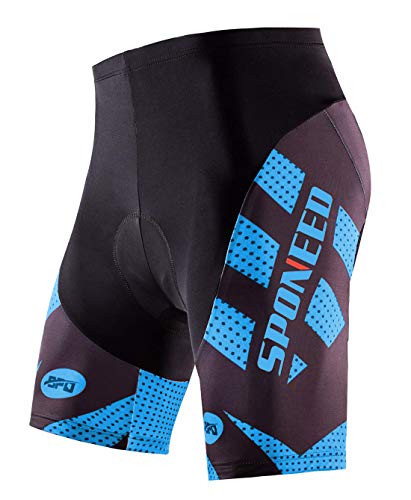
- ✓ Comfortable wide waistband
- ✓ Excellent moisture-wicking
- ✓ Durable, fade-proof print
- ✕ Slightly smaller than US size
- ✕ Not ideal for loose fit preference
| Material Composition | 80% polyester and 20% spandex with sublimation print |
| Pad Type | Gel pad for cushioning |
| Design Features | Anatomical 6-panel design, wide waistband, silicone leg grippers |
| Moisture Management | Quick-dry and breathable fabric with moisture-wicking properties |
| Size and Fit | US size, with recommendations to size up for a looser fit, half size smaller than US standard |
| Intended Use | Suitable for road and mountain cycling at all levels |
Slipping these padded cycling shorts on for the first time, I immediately noticed how snug yet flexible they felt. The wide waistband stayed comfortably in place without digging in, even during a spirited climb.
The gel pad was surprisingly light but offered just enough cushioning to keep my sit bones happy on a long ride.
The fabric, mostly polyester with a touch of spandex, felt cool and breathable against my skin. I took them for a spin on both a mountain trail and a city ride, and the four-way stretch kept everything in place without bunching up.
The silicone leg grippers did their job, preventing the shorts from riding up, which is a common annoyance.
One thing I appreciated was how quick-drying and moisture-wicking they were — I barely noticed any sweat build-up. The sublimation print stayed vibrant after multiple washes, and the overall build quality seemed durable, promising many rides ahead.
Plus, the design is spot-on with an anatomical cut from Italy, making me feel like these were made specifically for my riding position.
Size-wise, I’d suggest going up a size if you prefer a looser fit — they run slightly smaller than typical US sizes. Washing is simple as long as you keep it under 100°F, either hand wash or in a mesh bag in the machine.
Overall, these shorts blend comfort, quality, and style perfectly for a serious cyclist or casual rider alike.
What Are the Latest Innovations in Cycling Helmets?
- Smart Helmets: These helmets are equipped with Bluetooth technology, allowing cyclists to listen to music, take calls, and access navigation tools without removing their focus from the road. Some models also feature built-in lights and turn signals that improve visibility and safety during rides.
- Impact-Resistant Materials: New cycling helmets are using advanced materials such as MIPS (Multi-directional Impact Protection System) and Koroyd, which provide better impact resistance and energy absorption. These materials help reduce the risk of head injuries during accidents by redirecting the force of impacts more effectively.
- Custom Fit Systems: Many new helmets come with adjustable fit systems that allow riders to customize the helmet size for optimal comfort and security. This feature often includes adjustable chin straps, retention systems, and even 3D scanning technology to ensure a snug fit tailored to the cyclist’s head shape.
- Enhanced Ventilation: The latest helmet designs emphasize aerodynamics and airflow, incorporating larger vents and innovative internal channeling systems. These improvements help keep the rider cool during long rides, making the helmet more comfortable in various weather conditions.
- Integrated Cameras: Some helmets now come with built-in cameras that allow cyclists to record their rides and capture their experiences on the go. These cameras often have features like image stabilization and live-streaming capabilities, providing both safety and entertainment while cycling.
- Eco-Friendly Materials: Innovations in sustainable materials have led to the development of helmets made from recycled and biodegradable components. This trend not only reduces environmental impact but also appeals to eco-conscious cyclists looking for gear that aligns with their values.
How Do New Helmets Enhance Safety and Comfort?
New helmets enhance safety and comfort through innovative technologies and designs.
- Impact-absorbing materials: Modern helmets utilize advanced materials like EPS foam and multi-directional impact protection systems (MIPS) that significantly reduce the force of impacts. These materials are engineered to absorb energy during a crash, thereby minimizing the risk of head injuries.
- Improved ventilation: Many new helmets feature enhanced ventilation systems, including strategically placed air vents and internal channels that promote airflow. This design helps to keep cyclists cool and comfortable during long rides, reducing the risk of overheating.
- Custom fit systems: The latest helmets often incorporate adjustable fit systems, such as dial-adjustable rear closures and removable padding, allowing for a personalized fit. This ensures that the helmet sits securely on the head, which is crucial for both safety and comfort during rides.
- Lightweight construction: Advances in helmet technology have led to the development of lighter materials without sacrificing protection. A lighter helmet reduces neck strain and fatigue, making it easier for cyclists to wear for extended periods.
- Reflective elements: Many new helmet designs include reflective materials or integrated lights to enhance visibility in low-light conditions. This added safety feature is particularly important for cyclists who ride during dawn, dusk, or nighttime, helping them to be seen by motorists.
What Features Should You Consider When Choosing Cycling Apparel?
When choosing cycling apparel, several key features can enhance your performance and comfort during rides.
- Material: The fabric of cycling apparel should be moisture-wicking, breathable, and lightweight. Materials like polyester and nylon are popular as they help keep you dry by drawing sweat away from your skin while allowing air circulation.
- Fit: A proper fit is crucial for comfort and aerodynamics. Cycling clothing is typically designed with a snug fit to reduce wind resistance, so consider options that offer a balance between being tight enough to be effective and loose enough for comfort.
- Padded Shorts: These provide cushioning for your sit bones, which is particularly important during long rides. Look for shorts with a chamois that fits well and minimizes friction to prevent discomfort and chafing.
- Visibility: Bright colors and reflective elements are essential for safety, especially when riding in low-light conditions. Apparel designed with high-visibility colors or reflective materials helps ensure that you are seen by motorists and other cyclists.
- Weather Resistance: Depending on your riding environment, you may need apparel that offers some level of protection against wind, rain, or cold conditions. Look for jackets or jerseys with windproof or waterproof features, as well as thermal layers for colder temperatures.
- Pockets: Functional pockets are important for carrying essentials like snacks, tools, or your phone. Consider the placement and size of pockets, as they should be easily accessible while riding without compromising your comfort or aerodynamics.
- Seam Placement: The construction of the seams can impact comfort significantly. Look for apparel with flatlock seams that reduce chafing and irritation, especially in areas that experience a lot of movement.
- Gender-Specific Options: Many brands offer apparel designed specifically for men and women, taking into account differences in body shape and fit preferences. Choosing gender-specific gear can enhance comfort and performance on the bike.
How Do New Materials Impact Performance and Durability?
The best new cycling gear incorporates innovative materials that enhance performance and durability for cyclists.
- Carbon Fiber Frames: Carbon fiber is a lightweight yet incredibly strong material, making it ideal for high-performance bike frames. Its stiffness allows for better power transfer from the rider to the bike, while its ability to absorb vibrations results in a smoother ride on rough terrains.
- Moisture-Wicking Fabrics: This type of fabric is designed to pull sweat away from the skin, keeping the cyclist cooler and more comfortable during long rides. Advanced moisture-wicking materials also dry quickly, preventing chafing and discomfort that can arise from prolonged exposure to damp clothing.
- Smart Helmets: Incorporating technology such as Bluetooth connectivity and built-in lights, smart helmets are made from durable materials that offer enhanced protection. They often feature enhanced ventilation systems and are designed to be lightweight, ensuring that cyclists can ride safely without feeling weighed down.
- Gore-Tex and Waterproof Materials: Gear made from Gore-Tex or similar waterproof materials provides excellent protection against rain and wind. These materials are breathable, allowing moisture from sweat to escape while keeping external water out, which helps maintain comfort during adverse weather conditions.
- High-Performance Tires: The latest tire technologies utilize advanced rubber compounds and tread designs that improve grip, rolling resistance, and puncture resistance. These innovations enhance overall performance, allowing cyclists to ride faster and with more confidence on various surfaces.
- Reflective and High-Visibility Fabrics: New cycling gear often includes fabrics with reflective properties or bright colors to increase visibility during low-light conditions. This enhancement improves safety for cyclists, making them more noticeable to motorists and other road users.
What Are the Most Essential Accessories Every Cyclist Needs?
The most essential accessories every cyclist needs include:
- Helmet: A well-fitted helmet is crucial for safety, protecting the head during falls or accidents. Modern helmets often come with ventilation systems and lightweight materials, making them comfortable for long rides.
- Bike Lock: A sturdy bike lock is essential to secure your bike when parked, deterring theft. U-locks and chain locks are popular options, as they offer a balance of security and portability.
- Bike Lights: Front and rear lights enhance visibility during low-light conditions, making cycling safer. Many lights have different modes, including steady and flashing, to increase your presence on the road.
- Padded Shorts: Padded cycling shorts provide comfort during long rides by reducing friction and absorbing shock. They come in various styles, including bibs and regular shorts, to suit different preferences.
- Water Bottle and Cage: Staying hydrated is vital while cycling, and a water bottle cage on the bike allows for easy access to hydration. Many cyclists opt for insulated bottles to keep drinks cold during warm rides.
- Multi-Tool: A compact multi-tool is essential for on-the-go repairs, allowing cyclists to fix minor issues like flat tires or loose bolts. These tools often include a variety of wrenches and screwdrivers tailored for bike maintenance.
- Gloves: Cycling gloves improve grip on the handlebars and offer padding to reduce hand fatigue. They also provide protection in case of a fall and can help absorb shocks from uneven terrain.
- Reflective Gear: Wearing reflective clothing or accessories increases visibility to motorists, especially during early morning or evening rides. This gear can be in the form of vests, bands, or stickers that catch light effectively.
- First Aid Kit: A basic first aid kit is a smart addition for any cyclist, helping to treat minor injuries and cuts while on the road. Kits can be compact and easily stored in a bike bag or jersey pocket.
- Smartphone Mount: A smartphone mount allows cyclists to navigate or track their rides safely without needing to stop. Many mounts are adjustable and compatible with different phone sizes, providing convenience on longer journeys.
Which Tools Can Help With Maintenance and Safety?
The best new cycling gear includes a variety of tools and accessories designed to enhance maintenance and safety for cyclists.
- Multi-tool: A compact device that combines various tools into one, useful for on-the-go repairs.
- Tire repair kit: Essential for fixing punctures and maintaining tire integrity during rides.
- Bike lights: Critical for visibility and safety, especially during low-light conditions.
- Helmet with MIPS technology: A safety feature that reduces rotational forces during impacts, offering better protection.
- Smartphone mount: Provides easy access to navigation and communication while cycling, enhancing safety.
A multi-tool typically includes wrenches, screwdrivers, and tire levers, allowing cyclists to tighten bolts or fix minor issues without needing a full toolkit. Its portability makes it an indispensable accessory for long-distance rides or mountain biking.
A tire repair kit usually includes tire patches, levers, and a pump, ensuring that cyclists can quickly address flat tires and continue their journey without significant delays. These kits are lightweight and easy to carry, making them a must-have for all cyclists.
Bike lights come in various styles, such as front-facing white lights and rear red lights, and are crucial for being seen by others, particularly when riding at dusk or night. Investing in high-quality LED lights enhances visibility, ensuring safety on the road.
Helmets equipped with MIPS (Multi-directional Impact Protection System) technology are designed to reduce the risk of brain injuries by allowing the helmet to move slightly upon impact. This innovative safety feature provides an additional layer of protection, making it a wise choice for serious cyclists.
A smartphone mount allows cyclists to securely attach their devices to the handlebars, providing easy access to GPS navigation, music, or emergency calls. This convenience promotes safer riding as it minimizes the need to handle the phone while cycling.
How Are New Cycling Shoes Designed to Improve Performance?
New cycling shoes are designed with advanced technologies and materials to enhance performance and comfort for cyclists.
- Stiff Soles: The soles of modern cycling shoes are made from stiff materials such as carbon fiber or reinforced nylon, which maximizes power transfer from the foot to the pedal. This rigidity allows cyclists to exert more force with less energy loss, improving efficiency during rides.
- Ergonomic Fit: Manufacturers focus on creating shoes that conform to the natural shape of the foot, providing a snug yet comfortable fit. This ergonomic design reduces hotspots and discomfort, allowing cyclists to maintain optimal performance over long distances.
- Advanced Closure Systems: New cycling shoes often feature innovative closure systems like BOA dials or Velcro straps, which offer quick adjustments for a secure fit. These systems ensure that the shoe remains firmly in place, enhancing stability and control while cycling.
- Breathable Materials: The use of lightweight and breathable materials helps manage moisture and temperature inside the shoe, keeping feet dry and comfortable. This is especially important during intense rides, as it prevents overheating and blisters.
- Increased Ventilation: Many new designs incorporate mesh panels or ventilation holes to promote airflow. This feature helps regulate foot temperature and improves overall comfort, allowing cyclists to perform better in varying conditions.
- Compatibility with Cleat Systems: Modern cycling shoes are designed to be compatible with various cleat systems, allowing cyclists to choose their preferred pedal setup. This versatility enables riders to optimize their cycling experience based on their riding style and preferences.
- Lightweight Construction: The latest cycling shoes are engineered to be lightweight without sacrificing strength or durability. This reduction in weight helps improve overall bike handling and accelerates performance, making it easier for cyclists to climb and sprint.
- Impact Protection: Some new cycling shoes feature reinforced toe caps or ankle protection to safeguard against impacts and abrasions. This added protection is especially beneficial for mountain bikers or those navigating rough terrain, enhancing both safety and performance.
What Technologies Enhance Comfort for Long Rides?
Several technologies enhance comfort for long rides, particularly in the realm of cycling gear.
- Ergonomic Saddles: These saddles are designed to fit the contours of a rider’s body, reducing pressure points and discomfort during long rides. Many feature gel padding or cutouts to alleviate pressure on sensitive areas, which can significantly improve overall ride quality.
- Moisture-Wicking Fabrics: Cycling apparel made from moisture-wicking materials helps keep the body dry by pulling sweat away from the skin. This technology not only enhances comfort but also helps regulate body temperature, making it easier to ride for extended periods without overheating.
- Smart Helmets: Equipped with built-in communication systems, lights, and even sensors to monitor vital signs, smart helmets enhance safety and comfort. Features such as adjustable ventilation allow riders to manage airflow, contributing to a more enjoyable experience on long journeys.
- Integrated Hydration Systems: These systems allow cyclists to drink water without stopping, often featuring reservoirs in the backpack or frame with straws. This accessibility encourages proper hydration, which is crucial for maintaining comfort and performance during long rides.
- Shock-Absorbing Handlebar Grips: These grips are designed to reduce vibrations from the road, minimizing fatigue in the hands and arms. By absorbing shocks, they enhance the overall comfort of the ride, especially on rough terrains.
- Compression Clothing: This type of clothing aids in improving blood circulation and reducing muscle fatigue during long rides. By providing support to the muscles, compression wear can enhance endurance and recovery, making longer rides more manageable.
What Types of Cycling Gear Are Best for Varying Weather Conditions?
The best new cycling gear for varying weather conditions includes a range of items designed for comfort and performance in different climates.
- Waterproof Jacket: A high-quality waterproof jacket is essential for cycling in wet conditions, keeping you dry while allowing for breathability. Look for features like adjustable cuffs and vents to enhance comfort during intense rides.
- Thermal Base Layers: Thermal base layers are perfect for cooler temperatures, providing insulation while wicking away moisture to keep you warm and dry. These layers are often made from materials such as merino wool or synthetic blends that offer flexibility and comfort.
- Reflective Gear: Visibility is crucial in low-light conditions, making reflective gear an important addition to your cycling wardrobe. Items like vests, ankle bands, and even reflective tape on your bike can enhance your visibility to motorists and other cyclists.
- Insulated Gloves: Insulated gloves are designed to keep your hands warm during chilly rides without sacrificing dexterity. Look for gloves with touchscreen compatibility so you can use devices without exposing your skin to the cold.
- UV Protection Clothing: For sunny days, UV protection clothing is vital to shield your skin from harmful rays. Many cycling jerseys are now made with fabric that offers UPF protection, ensuring you stay safe while enjoying long rides outdoors.
- Windbreaker: A lightweight windbreaker is a great option for breezy days, as it provides protection against wind chill without overheating. Choose one that packs easily into a pocket for convenience during rides.
- Leg Warmers: Leg warmers are versatile accessories that can be added or removed based on temperature changes during your ride. They help maintain warmth in your legs while still allowing for easy movement.
- Helmet with Ventilation: A well-ventilated helmet is crucial for warm weather cycling, ensuring adequate airflow to keep your head cool. Many modern helmets also come with removable visors for added sun protection.
How Can Specialized Gear Protect You in Extreme Environments?
Specialized gear can significantly enhance safety and performance in extreme cycling environments.
- High-Visibility Clothing: This gear is designed with bright colors and reflective materials to ensure cyclists are seen in low-light conditions. It helps to reduce the risk of accidents, especially when riding in urban areas or during dusk and dawn.
- Weather-Resistant Jackets: These jackets are made from materials that repel water and wind, keeping cyclists dry and comfortable in harsh weather conditions. Many also feature ventilation systems to regulate body temperature during intense rides.
- Padded Shorts: Specialized cycling shorts come with padding to provide cushioning and reduce friction during long rides. This added comfort can prevent chafing and saddle sores, allowing cyclists to focus on their performance rather than discomfort.
- Helmets with Advanced Ventilation: Modern helmets are designed with improved airflow systems to keep the head cool during strenuous rides. Additionally, they often include features such as MIPS (Multi-directional Impact Protection System) to enhance safety in case of falls.
- Gloves with Grip Technology: Cycling gloves are essential for maintaining a secure grip on handlebars, especially in wet conditions. Many feature padding for comfort and silicone grips to prevent slipping, enhancing control and safety on rough terrains.
- Hydration Packs: These are essential for maintaining hydration during long rides in extreme conditions. They allow cyclists to carry water and other essentials hands-free, enabling easy access while on the move.
- Protective Eyewear: Cycling sunglasses protect the eyes from UV rays, debris, and wind. Many models come with interchangeable lenses to suit varying light conditions, enhancing visibility and reducing eye strain.