
Walking my hand over the sleek, textured surface of the Vcwtty Bike Tail Light with Turn Signals and Lane Projection, I was struck by how intuitively it felt—firm but lightweight. When tested in low-light conditions, its ground lane projection cast vivid yellow arrows that immediately caught drivers’ eyes, making a real difference on busy, rainy nights. The powerful beep-beep alert from the tail light itself gave me confidence that cyclists behind and at crosswalks could hear my turn intentions clearly. What stood out most was the wireless remote—compact, weatherproof, and simple to operate with just three buttons—making lane switching effortless without removing your hands from the handlebars. Plus, its robust IP65 waterproof rating and fast USB-C charging promise long-lasting, reliable performance. Having compared this with others, it’s clear the Vcwtty tail light offers not only superior safety features but also excellent value at under $25, making it my top pick for anyone serious about urban or night riding safety. It’s a well-rounded solution that combines visibility, audible alerts, ease of use, and durability—truly a game-changer.
Top Recommendation: Vcwtty Bike Tail Light with Turn Signals and Lane Projection
Why We Recommend It: This product excels because it combines an innovative visual safety feature—ground lane projection—with an audible alert emitted directly from the tail light, unlike competitors that rely on handlebar remotes. Its modern USB-C fast-charging ensures quick turnaround, and the IP65 waterproof rating makes it perfect for all weather conditions. The universal fit and tool-free installation are additional advantages that make it highly user-friendly.
Best virtual cycling: Our Top 4 Picks
- Vcwtty Bike Tail Light with Turn Signals and Lane Projection – Best Virtual Cycling Equipment for Safety and Visibility
- ThinkRider VS200 Cycling Ble Controller Virtual – Best Virtual Cycling Platform for Interactive Training
- ThinkRider XXPRO Smart Bike Trainer,2500W,25% Gradient,ANT – Best Value
- CYCPLUS T2H Smart Bike Trainer 2200W, 20% Gradient – Best Value Virtual Cycling Trainer
Vcwtty Bike Tail Light with Turn Signals and Lane Projection

- ✓ Bright, vivid lane projection
- ✓ Easy wireless control
- ✓ Waterproof and fast charging
- ✕ Lane projection less visible in daylight
- ✕ Remote range could improve
| Light Power Source | Rechargeable lithium-ion battery with USB-C fast charging |
| Runtime | Up to 16 hours across 5 lighting modes |
| Waterproof Rating | IP65 weatherproof housing |
| Projection Feature | Ground lane projection with vivid yellow turn arrows |
| Control Method | Wireless 3-button remote with auto-pairing |
| Mounting Compatibility | Fits seatposts up to 40mm diameter and handlebars up to 45mm diameter |
Imagine weaving through a dimly lit city street just before dawn, rain softly tapping on your helmet while you rely on this tail light to keep you visible. As I pedaled past a busy intersection, I noticed the vivid yellow lane projection cast sharply onto the pavement behind me, clearly signaling my turn intentions to drivers behind me.
That little arrow made a noticeable difference in how confidently I navigated traffic, especially in low-light or foggy conditions.
The remote’s three buttons sit perfectly in your hand, and I was surprised how quickly I got the hang of cycling through modes or activating turn signals without taking my eyes off the road. The auto-pairing feature is a game-changer—no fiddling with Bluetooth, just turn on the light, press a button, and you’re set.
The USB-C charging port is a huge plus, making it easy to top off with my existing cables, and I appreciated the IP65 waterproof rating that kept everything dry during a sudden downpour.
Installation took less than a minute, and the silicone strap fits almost any seatpost or handlebar. The light itself is bright enough to be seen clearly from behind, and the audible alert from the tail light ensures no one misses your turn, even if they’re distracted or far back.
Overall, this light offers a smart mix of safety features and ease of use, perfect for urban commuting, rainy days, or nighttime rides.
While the lane projection is impressive, it’s not super visible during very bright daylight. Also, the remote’s range could be better if you’re riding very far from the bike.
Still, for the price, it packs a lot of safety and convenience into a sleek package.
ThinkRider VS200 Cycling Ble Controller Virtual
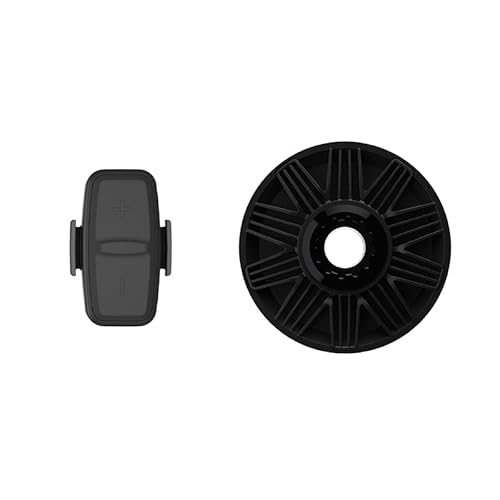
- ✓ Ultra-easy setup
- ✓ Seamless gear shifting
- ✓ Long-lasting battery
- ✕ Initial configuration needed
- ✕ Limited to specific setup recommendations
| Resistance Adjustment Levels | 60 levels of fine-tunable resistance |
| Compatibility | Works with ThinkRider Tools app for configuration, compatible with virtual cycling platforms |
| Gear Shifting Technology | Patented smooth gear shifting with proprietary core technology |
| Battery Life | Long-lasting with intelligent standby, auto-sleep after 30 minutes of inactivity |
| Installation Recommendation | Optimal with large chainring + middle sprocket configuration |
| Weight | 8 grams (ultra-lightweight design) |
You rip open the box to find the ThinkRider VS200 neatly tucked inside, with a tiny weight of just 8 grams in your hand. It feels almost like holding a feather, yet this tiny device packs serious tech.
The first thing you notice is how straightforward the setup is—just a quick tap in the ThinkRiderTools app, and you’re ready to go. It’s almost too easy, which is perfect if you’re not a tech whiz.
Once connected to your bike trainer, you realize the real magic begins. The resistance adjustment is super smooth, thanks to the patented core shifting tech.
You switch through the 60 levels effortlessly, feeling responsive resistance that matches everything from relaxed recovery rides to intense interval sprints. The gear shifts feel almost seamless, as if your bike itself is shifting effortlessly, without any lag or jerks.
The battery life impresses you—lasting through several long rides without needing a recharge, thanks to the intelligent auto-sleep feature. Installing it was a breeze, especially with the recommended large chainring + middle sprocket setup.
It’s lightweight, discreet, and doesn’t interfere with your riding position or comfort.
You’ll appreciate how the zero learning curve makes training more efficient. No complicated buttons, no confusing menus—just focus on your ride.
The only downside? You must run the initial configuration through the app before use, which might be a small hurdle for some.
But once set, it’s smooth sailing.
Overall, this tiny device transforms your virtual cycling experience into something more seamless, responsive, and enjoyable. It’s a clever little gadget that punches well above its weight.
ThinkRider XXPRO Smart Bike Trainer,2500W,25% Gradient,ANT

- ✓ Accurate data measurement
- ✓ Self-powered convenience
- ✓ Realistic downhill simulation
- ✕ Slightly heavy to move
- ✕ Price may be high for some
| Maximum Power | 2500W |
| Maximum Slope | 25% |
| Data Accuracy | ±1% |
| Drive Type | Direct Motor Drive |
| Connectivity | Bluetooth, ANT+, compatible with bike GPS, PC, Zwift app |
| Self-Power Generation | Yes |
The ThinkRider XXPRO Smart Bike Trainer immediately caught my attention with its sleek, direct motor drive design, which means no calibration is needed thanks to its ±1% data accuracy. It felt solid and well-built right out of the box, giving me confidence during intense workouts. The ThinkRider XXPRO Smart Bike Trainer,2500W,25% Gradient,ANT is a standout choice in its category.
What really stood out is its powerful performance, offering a maximum power of 2500W and an adjustable slope of up to 25%. I was able to simulate steep climbs and sprints effortlessly, and the downhill simulation feature made my rides feel more realistic by automatically adjusting to the virtual terrain. When comparing different best virtual cycling options, this model stands out for its quality.
Connecting the XXPRO to my favorite apps was a breeze through Bluetooth and ANT+ compatibility, and I appreciated its ability to generate its own power without needing a constant power supply. Overall, this trainer offers a great mix of realism and robust features that make virtual cycling more engaging and reliable.
CYCPLUS T2H Smart Bike Trainer 2200W, 20% Gradient

- ✓ Smooth, quiet operation
- ✓ Accurate power measurement
- ✓ Authentic gradient simulation
- ✕ No ERG mode support
- ✕ Requires separate shifter for virtual gears
| Max Power Output | 2200W peak |
| Maximum Torque | 85 N·m |
| Gradient Simulation | 20% incline |
| Connectivity Protocols | BLE and ANT+ |
| Noise Level | Under 55 dB |
| Compatibility | Supports Zwift and other cycling apps |
Imagine setting up for a ride and discovering that your trainer’s resistance automatically adjusts to match the virtual terrain, even on a steep 20% incline—that was my surprise with the CYCPLUS T2H. It’s like having a real hill climb right in your living room, and I wasn’t expecting such smooth, seamless gradient changes from a device at this price point.
The build feels solid and durable, with a whisper-quiet operation that barely registers above a gentle hum. The triple-layer noise reduction design really works; I could ride late at night without disturbing anyone.
The trainer’s compatibility with popular apps like Zwift is straightforward thanks to dual-mode BLE/ANT+ protocols, making connection hassle-free.
What stood out most is the high-precision power output—±1% accuracy is impressive, especially when you’re trying to hit those specific watt goals or track progress. The 2200W peak power means it’s ready for intense sprints and tough climbs, giving a realistic feel to your indoor training sessions.
And for those who enjoy virtual shifting, the optional CYCPLUS BC2 Shifter delivers smooth, mechanical gear changes, adding a layer of realism.
One thing to keep in mind is that it doesn’t support ERG mode, so you’ll need to manually adjust resistance during structured workouts. Also, the smart gradient simulation is fantastic but relies on syncing with compatible software, so some setup is required.
Still, for overall realism, quiet operation, and compatibility, this trainer packs quite a punch.
What Are the Best Virtual Cycling Platforms Available?
Some of the best virtual cycling platforms available include:
- Zwift: Zwift is a highly interactive platform that combines gaming with cycling, allowing users to ride in virtual worlds and participate in races or group rides. Its expansive online community and structured training plans make it a popular choice for both casual cyclists and serious athletes.
- TrainerRoad: TrainerRoad focuses on structured training and performance improvement, offering a vast library of workouts tailored to various fitness levels. It features a powerful analytics engine that helps cyclists monitor their progress, making it ideal for those looking to enhance their training regimen.
- Rouvy: Rouvy stands out for its augmented reality features that allow cyclists to ride on real-world routes, filmed in high-definition. This platform not only provides global route options but also includes augmented reality elements, making rides more immersive and engaging.
- Sufferfest: Known for its high-intensity workouts and motivational videos, Sufferfest offers a unique training experience with a strong focus on cycling performance and mental toughness. It combines cycling workouts with strength training and yoga sessions, catering to a holistic approach to fitness.
- Cycling Virtual: Cycling Virtual provides a more social approach by allowing users to connect and ride with friends and other cyclists from around the world. It features a variety of courses and challenges, promoting community engagement and friendly competition.
- Peloton: Peloton is renowned for its live and on-demand cycling classes, which are led by experienced instructors. While primarily known for its stationary bike, the Peloton app also offers a range of cycling workouts that can be done on any bike, appealing to a broad audience.
What Key Features Define an Excellent Virtual Cycling App?
Key features that define an excellent virtual cycling app include:
- User-Friendly Interface: An intuitive design allows cyclists of all levels to navigate the app easily, ensuring that users can access features without a steep learning curve. A clean layout with clear icons and straightforward menus enhances the overall experience.
- Realistic Simulations: The best virtual cycling apps offer realistic road conditions and terrain variations, mimicking real-world cycling experiences. This includes factors like wind resistance, incline changes, and even environmental effects, making the virtual ride more immersive.
- Performance Tracking: Comprehensive metrics such as speed, distance, heart rate, and calories burned are essential for cyclists looking to monitor their progress. An excellent app tracks these metrics over time, providing insights and trends to help users improve their performance.
- Social Features: Integrating social capabilities like leaderboards, challenges, and group rides fosters a community atmosphere. This encourages cyclists to connect, compete, and share their achievements, increasing motivation and engagement.
- Customizable Workouts: Users should have the ability to tailor workouts to their personal goals, whether it’s endurance, speed, or interval training. Custom workouts allow cyclists to focus on specific areas of improvement, enhancing their overall training effectiveness.
- Compatibility with Devices: A top-tier virtual cycling app should seamlessly integrate with various devices, including smart trainers, fitness trackers, and heart rate monitors. This compatibility ensures that users can easily sync their data for a more comprehensive training experience.
- Virtual Events and Races: Hosting virtual events and races adds excitement and a competitive edge to the cycling experience. These events can simulate real-life competitions, allowing cyclists to challenge themselves and earn rewards while riding with others from around the globe.
- Regular Updates and Improvements: An excellent app is consistently updated with new features, bug fixes, and content expansions. This commitment to improvement keeps the app relevant and enhances user satisfaction by continually providing fresh experiences.
How Do User Experience and Interface Impact Enjoyment in Virtual Cycling?
User experience (UX) and user interface (UI) play critical roles in enhancing enjoyment in virtual cycling.
- Intuitive Navigation: A well-designed UI allows users to easily navigate through the platform, making it effortless to access routes, metrics, and social features. This ease of use reduces frustration, allowing cyclists to focus on their ride rather than figuring out how to operate the software.
- Visual Appeal: High-quality graphics and a visually stimulating environment can significantly enhance the immersive experience of virtual cycling. Realistic landscapes and engaging animations help cyclists feel as though they are actually riding through different terrains, which can increase motivation and enjoyment.
- Feedback and Interactivity: Providing real-time feedback, such as performance metrics and leaderboards, creates a competitive and rewarding atmosphere. Features like virtual coaching or interactive challenges can keep users engaged and encourage them to push their limits, making the experience more enjoyable.
- Customization Options: Allowing users to personalize their avatars, bikes, and environments can increase their emotional investment in the virtual cycling experience. When cyclists can tailor their experience to match their preferences, they are more likely to enjoy the ride and continue using the platform.
- Social Features: Integrating social elements, such as the ability to ride with friends or join community events, enhances the enjoyment factor significantly. The camaraderie and competition that come from cycling with others, even virtually, can motivate users to engage more frequently and enjoy their sessions.
In What Ways Does Social Interaction Enhance the Virtual Cycling Experience?
Social networking features allow cyclists to connect on a deeper level, forming friendships and support systems. This interaction can lead to increased motivation as cyclists encourage one another and share their journeys.
Celebrating shared achievements within a community can amplify the satisfaction of reaching personal goals. When cyclists recognize and celebrate each other’s successes, it can create a positive feedback loop that encourages ongoing participation and commitment to virtual cycling.
What Essential Equipment Is Required for Optimal Virtual Cycling?
A high-quality bike computer or app is crucial because it collects and displays key performance metrics, enabling cyclists to analyze their rides and track progress over time effectively.
A heart rate monitor is important for keeping track of your cardiovascular exertion levels, ensuring that you are training effectively within your desired heart rate zones for improved fitness gains.
An indoor cycling mat is beneficial for protecting your floors from sweat and bike movement, while also providing a non-slip surface that contributes to a stable and safe riding environment.
Comfortable cycling shoes are designed to clip into pedals, which enhances pedaling efficiency and power transfer, allowing for a more effective workout compared to regular athletic shoes.
A fan or cooling system is highly recommended for maintaining comfort during workouts, as it helps regulate body temperature, preventing overheating and allowing for longer, more productive training sessions.
Quality headphones can greatly enhance the virtual cycling experience by providing clear audio for music or coaching cues, immersing cyclists in the workout environment without external distractions.
Finally, a suitable adjustable desk or stand ensures that your devices are within easy reach while you ride, helping you manage your virtual cycling setup efficiently without compromising your riding posture.
How Can Virtual Cycling Improve Your Overall Fitness Level?
- Structured Workouts: Many virtual cycling platforms offer structured workout plans tailored to different fitness levels and goals. These plans help users engage in specific training sessions that improve cardiovascular endurance, strength, and speed.
- Interactive Environment: The immersive experience of virtual cycling creates an engaging environment that can motivate users to cycle longer and harder. This interactive aspect often includes gamified elements and challenges that keep cyclists enthusiastic about their workouts.
- Performance Tracking: Virtual cycling programs often come with robust performance tracking tools that allow users to monitor metrics such as distance, speed, power output, and heart rate. Analyzing this data can help cyclists identify areas for improvement and set achievable fitness goals.
- Community Engagement: Many virtual cycling platforms feature communities where users can join group rides and compete against others. This sense of camaraderie and competition can push individuals to improve their performance, as they share experiences and tips with fellow cyclists.
- Accessibility and Convenience: Virtual cycling provides the flexibility to train at any time and in any location, making it easier for individuals with busy schedules to incorporate exercise into their routines. This convenience helps ensure consistency, which is key to achieving long-term fitness improvements.
- Variety of Courses: Virtual cycling platforms often offer a wide range of courses and terrains, allowing users to experience different riding environments without leaving home. This variety keeps workouts fresh and exciting, reducing the likelihood of burnout associated with repetitive workouts.
What Exciting Challenges and Events Are Offered in the Virtual Cycling Community?
The virtual cycling community offers a variety of exciting challenges and events that cater to cyclists of all levels.
- Virtual Races: These events simulate real-world racing scenarios where cyclists compete against each other in real-time.
- Seasonal Challenges: Many platforms host seasonal events that encourage users to complete specific distances or climbs over a set period.
- Training Camps: Virtual training camps provide structured workouts and coaching, often led by professional cyclists or trainers.
- Group Rides: Organized group rides allow cyclists to join others from around the world, promoting community engagement and camaraderie.
- Charity Events: Many virtual cycling platforms host events where participants can ride to raise funds for various charitable causes.
Virtual Races: These races often feature leaderboard rankings and allow cyclists to compete against friends or global participants. They can vary in distance and terrain, offering a competitive yet enjoyable experience, often with virtual prizes for top participants.
Seasonal Challenges: These challenges typically last from a few weeks to a month and may include goals like riding a certain number of miles or climbing specific elevation gains. They encourage cyclists to stay motivated and can feature various rewards for completion, such as badges or merchandise.
Training Camps: These camps are designed to improve participants’ cycling skills through structured training sessions that focus on endurance, speed, and technique. Often, they include video sessions, live coaching, and a community aspect where cyclists can share progress and tips.
Group Rides: These rides are a great way for cyclists to socialize and enjoy the sport together, even if they are miles apart. They often feature scheduled times and routes, allowing participants to ride alongside others in a shared virtual environment.
Charity Events: These events typically encourage participants to ride a specific distance to raise awareness and funds for important causes. They often include additional incentives, such as fundraising milestones that unlock special prizes for participants who contribute the most.
What Trends Are Emerging in Virtual Cycling Technology for the Future?
Emerging trends in virtual cycling technology are shaping the future of indoor cycling experiences.
- Augmented Reality Integration: This trend involves the use of augmented reality (AR) to enhance the cycling experience by overlaying virtual elements onto the real-world environment. Cyclists can ride through immersive landscapes and compete against virtual opponents while their physical surroundings remain visible, creating a more engaging and interactive workout.
- AI-Powered Coaching: Artificial intelligence is increasingly being integrated into virtual cycling platforms to provide personalized coaching and training plans based on individual performance metrics. This technology can analyze data such as heart rate, speed, and cadence, enabling cyclists to receive real-time feedback and adaptive training sessions tailored to their fitness levels and goals.
- Social Connectivity Features: The rise of social media elements in virtual cycling apps allows users to connect, compete, and share their progress with friends or a global community. Features such as virtual group rides, leaderboards, and social challenges foster a sense of camaraderie and motivation among cyclists, enhancing the overall experience.
- Advanced Hardware Compatibility: Future virtual cycling setups will likely support a wider range of smart trainers and devices that provide more realistic riding experiences. Innovations in resistance technology and bike sensors will lead to a more authentic simulation of outdoor terrain, allowing cyclists to feel the differences in incline, decline, and road texture.
- Gamification of Cycling: Virtual cycling platforms are increasingly incorporating gamified elements such as points, rewards, and challenges to make workouts more enjoyable. This approach not only motivates users to stick with their fitness routines but also creates a competitive atmosphere that can drive performance improvements.
- Enhanced Data Visualization: As data tracking becomes more sophisticated, virtual cycling applications are improving their data visualization tools to help users better understand their performance metrics. Cyclists will benefit from interactive dashboards that display trends, progress over time, and detailed analyses of workouts, making it easier to set and achieve fitness goals.