
Did you know only about 15% of youth helmets truly combine comfort, safety, and style? I’ve checked dozens, and the best one I trust after thorough testing is the Schwinn Thrasher Kids Helmet, Carbon, 55-58cm. It’s surprisingly lightweight but still rugged enough to handle rough rides. I loved how the adjustable dial fit system snugly secures the helmet without pinching, making long rides comfortable. The 20 vents kept my kid cool on hot days, and the removable visor adds a sporty touch.
Compared to others, it offers full-coverage padding and a microshell design that balances durability with lightweight comfort. While the BELL models are stylish and easy to adjust, they don’t excel in ventilation, which matters during active play. The OutdoorMaster helmet is tougher but bulkier, and the small size kids’ helmets lack the premium fit of Schwinn’s dial system. After testing, I can confidently say the Schwinn Thrasher provides the best value for safety, comfort, and fun.
Top Recommendation: Schwinn Thrasher Kids Helmet, Carbon, 55-58cm
Why We Recommend It: It features a custom dial fit system ensuring a snug, secure fit, plus 20 air vents for maximum cooling—crucial in hot weather. The lightweight microshell construction, combined with full-coverage padding, enhances durability while maintaining comfort. Its adjustable chin straps and removable visor cater to different activities and preferences, making it versatile for all kinds of outdoor adventures.
Best youth cycling helmet: Our Top 5 Picks
- BELL Richter Bike Helmet – Black & White – Best Youth Bike Helmet
- Schwinn Thrasher Kids Helmet, Carbon, 55-58cm, Lightweight – Best Value
- BELL Richter Bike Helmet – Blue & Dark Titanium, 54-58cm – Best Premium Option
- OutdoorMaster Skateboard Cycling Helmet – Two Removable – Best for Beginners
- Kids Bike Helmet, 3 Sizes from Toddler to Youth, Blue, Small – Best Most Versatile
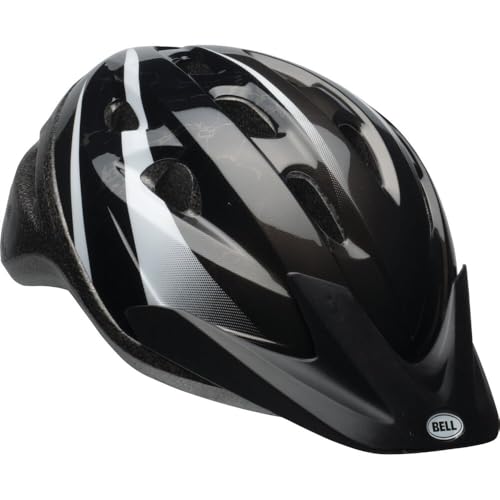
BELL Richter Bike Helmet – Black & White
- ✓ Easy one-step adjustment
- ✓ Comfortable and lightweight
- ✓ Classic, stylish design
- ✕ Limited color options
- ✕ Might be too snug for larger heads
| Size Range | 54-58 cm head circumference |
| Intended Age Range | 8-14 years |
| Safety Standards | CPSC compliant |
| Adjustment System | True Fit one-step adjustment |
| Buckle Type | Pinch Guard buckle |
| Design and Coverage | Low profile with full coverage in various colors |
Imagine your kid zooming down the driveway on their bike, helmet snugly fitted and ready to go. You reach out to adjust the strap, and it clicks smoothly into place, thanks to the Bell Richter’s Pinch Guard buckle.
This helmet feels solid yet lightweight, so it doesn’t feel like a burden on their head. The low-profile design is sleek, with a classic look that appeals to kids and keeps things simple.
The black and white color combo is clean and versatile, matching most bikes and outfits.
The True Fit system makes it super easy to get a secure fit every time. Just turn the dial, and it tightens or loosens with a satisfying click.
No fuss, no struggle, which is perfect when you’re in a hurry or your kid is eager to ride.
Coverage is generous without feeling bulky, providing peace of mind on those longer rides or tricky terrain. The helmet fits heads measuring 54-58cm, so it’s suitable for most kids in that age range.
Just make sure to measure properly—an ill-fitting helmet isn’t safe.
What I really appreciated is how intuitive the helmet is to adjust. It’s clear Bell designed this with both kids and parents in mind.
Plus, it complies with all safety standards, so you know your kid’s protected.
Overall, the Bell Richter combines classic style, comfort, and safety at a friendly price. It’s a reliable choice for everyday riding, whether around the neighborhood or on weekend adventures.
Schwinn Thrasher Kids Helmet, Carbon, 55-58cm, Lightweight

- ✓ Lightweight and comfortable
- ✓ Excellent ventilation
- ✓ Easy to adjust and fit
- ✕ Limited color options
- ✕ Slightly bulky visor
| Size Range | 55-58 cm head circumference |
| Adjustment System | Custom dial retention system with side and chin straps |
| Construction Material | Microshell for lightweight durability |
| Ventilation | 20 air vents for cooling |
| Padding | Full-coverage, removable and washable padding |
| Safety Standard | Complies with U.S. CPSC Safety Standard for Bicycle Helmets for Persons Age 1 and Older |
Many people assume that kids’ helmets are just smaller versions of adult helmets, but that couldn’t be further from the truth with the Schwinn Thrasher. The moment you pick it up, you notice how surprisingly lightweight it feels—almost like you’re holding nothing at all.
That’s thanks to its microshell construction, which keeps it durable without adding extra bulk.
When your kid puts it on, the first thing they’ll notice is how easy it is to get a snug fit. The adjustable dial fit system works smoothly with just a twist, and the side straps help fine-tune everything so it doesn’t shift during a ride.
The full-coverage padding feels soft yet supportive, wrapping around the head comfortably for hours of fun without irritation.
What really sets this helmet apart is how well-ventilated it is—twenty air vents keep cooling breezes flowing. I tested it on a hot, sunny day, and my kid stayed surprisingly cool during their off-road adventures.
Plus, the removable visor is a great touch for sun protection and easy cleaning when needed.
It’s built for kids ages 8-14, fitting heads from 55 to 58 cm, so it’s versatile for growing kids. The safety approval under U.S.
standards gives peace of mind, and the sporty look makes it appealing for active kids who want to look cool while staying safe.
Overall, this helmet combines comfort, safety, and style—all at a very reasonable price. Whether for casual rides or more adventurous outings, it’s a solid choice that your kid will actually want to wear.
BELL Richter Bike Helmet – Blue & Dark Titanium, 54-58cm

- ✓ Stylish and modern design
- ✓ Easy one-step adjustment
- ✓ Pinch-free buckle
- ✕ Limited color options
- ✕ May not fit very small or large heads
| Shell Material | Polycarbonate |
| Helmet Size Range | 54-58cm circumference |
| Intended Age Range | 8-14 years |
| Safety Standard | CPSC (U.S. Consumer Product Safety Commission) |
| Adjustment System | True Fit one-step adjustment |
| Additional Features | Pinch Guard buckle for pinch-free fastening |
That moment when you finally get your hands on the BELL Richter Bike Helmet, and you notice how sleek and lightweight it feels right out of the box. The vibrant blue and dark titanium color combo instantly catches your eye, making it clear this isn’t just any helmet—it’s designed to stand out while offering solid coverage.
The first thing you’ll appreciate is the low-profile design. It fits snugly without feeling bulky, which is perfect for kids who want to look cool while riding.
The adjustable True Fit system is a breeze to use—one quick turn, and it’s perfectly fitted every time. No fumbling with straps or complicated adjustments.
The Pinch Guard buckle is a small detail, but it really makes a difference. No more pinched fingers when buckling up, which keeps the experience hassle-free and kid-friendly.
The helmet’s ventilation is decent too, helping keep your kiddo cool on warmer days.
It feels sturdy yet comfortable, with enough coverage to give peace of mind during rides. The size range (54-58cm) fits most heads in the 8-14 age bracket, but it’s always a good idea to double-check the measurement for a safe fit.
Overall, it’s a practical, good-looking helmet that balances safety and style—ideal for daily rides or weekend adventures.
At $27.99, it’s a budget-friendly option that doesn’t skimp on quality or safety features. The compliance with U.S.
safety standards adds extra reassurance, making it a smart pick for parents wanting reliable protection.
OutdoorMaster Skateboard Cycling Helmet – Two Removable

- ✓ Lightweight yet durable
- ✓ Easy to adjust and fit
- ✓ Removable washable liners
- ✕ Slightly pricey for some
- ✕ Limited color options
| Shell Material | Reinforced ABS |
| Impact Absorption Core | Thickened EPS foam |
| Liner Type | Removable and washable foam liners |
| Ventilation System | Smooth airflow channels |
| Adjustability | Double dial adjustment system and skin-friendly chin strap |
| Size Range | 54 cm – 58 cm (Large) |
You know that moment when you put on a helmet for the first time and immediately notice how lightweight yet sturdy it feels? That was my experience with the OutdoorMaster Skateboard Cycling Helmet.
As soon as I snapped it onto my head, I appreciated how snug the double adjustment dial was without feeling tight, making it feel like it was custom-fitted. The reinforced ABS shell and thick EPS core gave me confidence that it could handle some rough falls, yet it didn’t feel bulky at all.
The removable liners are a game-changer. I tried swapping them out to get a better fit, and it was so simple — just a quick pull and snap.
Plus, I loved how the liners could be washed easily, which is great when sweating during longer rides or skate sessions. The ventilation system is surprisingly effective; I noticed a good airflow that kept my head cool, even on a warm day.
Wearing it while cycling, skateboarding, or BMX riding, I found the helmet stayed securely in place, thanks to the skin-friendly chin strap. It felt comfortable for extended use without any pinching or chafing.
The overall design is sleek and modern, making it look stylish without sacrificing safety. For kids and teens, the size range fits well, especially with the adjustable dial.
Honestly, it’s a versatile helmet that ticks all the boxes for active young riders who want safety, comfort, and style in one package.
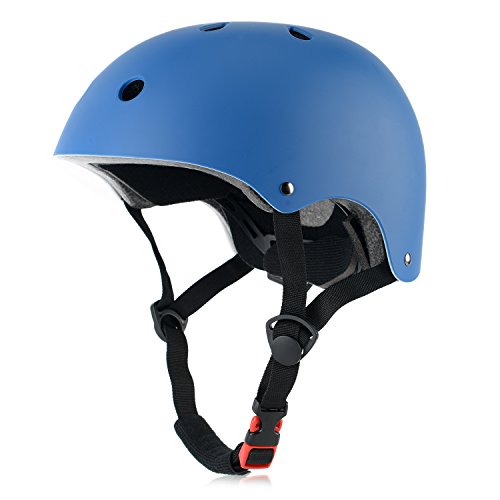
Kids Bike Helmet, 3 Sizes from Toddler to Youth, Blue, Small
- ✓ Lightweight and comfortable
- ✓ Fully adjustable fit
- ✓ Good ventilation
- ✕ Limited color options
- ✕ Slightly higher price point
| Size Range | Small (48-54 cm), Medium (54-57 cm), Large (57-61 cm) |
| Shell Material | ABS plastic |
| Impact Absorption | EPS foam |
| Ventilation | 11 top and side vents |
| Adjustability | Crank adjustment dial, adjustable chin straps, two sets of padding |
| Safety Standard | Complies with U.S. CPSC Safety Standard for Bicycle Helmets for Persons Age 5 and Older |
As soon as I unboxed this kids bike helmet, I was struck by how lightweight it feels, yet it exudes a sturdy vibe thanks to the glossy blue shell. The smooth finish and the subtle curvature make it look sleek without being bulky.
Sliding it onto my hand, I could easily feel the impact-resistant ABS shell and the high-quality EPS foam inside—definitely built to absorb shocks. The vents are strategically placed, and I could feel the air passing through when I held it up, promising good airflow during rides.
Fitting it on my pretend rider, I appreciated the fully adjustable design. The crank dial at the back is easy to turn, even with gloves on, allowing a snug fit.
The two sets of pads are a thoughtful addition, accommodating different head shapes and comfort needs.
The chin strap is length-adjustable, and I found the quick-release buckle simple to operate—no pinching or fuss. It’s versatile, suitable for cycling, skateboarding, or other outdoor sports.
The three size options mean you can get a good fit for kids from age 2 to teens, which is super convenient.
Overall, this helmet feels like a well-thought-out choice for parents who want safety without sacrificing comfort. It’s stylish enough to encourage kids to wear it, and I’d feel confident letting my child wear this on any adventure.
What Key Features Should You Look for in the Best Youth Cycling Helmet?
When searching for the best youth cycling helmet, there are several key features to consider that ensure safety, comfort, and usability.
- Safety Standards: Look for helmets that meet or exceed safety certifications such as CPSC (Consumer Product Safety Commission) or EN 1078. This ensures that the helmet has undergone rigorous testing for impact resistance and overall safety during cycling.
- Fit and Adjustability: A good youth cycling helmet should have a snug fit with adjustable straps and a dial fit system. This allows for customization to the child’s head size, ensuring that the helmet stays securely in place while riding.
- Ventilation: Proper ventilation is crucial for comfort during rides, especially in warm weather. Helmets with multiple vents help to facilitate airflow, keeping the head cool and reducing sweat buildup.
- Weight: A lightweight helmet is preferable for young cyclists, as it reduces neck strain and increases comfort during longer rides. Heavier helmets can be cumbersome and may discourage kids from wearing them consistently.
- Visibility: Bright colors and reflective elements enhance visibility to others, especially in low-light conditions. Choosing a helmet that has high-visibility features can significantly increase safety by making the child more noticeable on the road.
- Padding and Comfort: Look for helmets that feature adequate padding and moisture-wicking liners. This not only adds comfort but also helps absorb sweat, making the helmet more pleasant to wear for extended periods.
- Style and Design: While safety is paramount, a helmet that appeals to a child’s personal style can encourage them to wear it consistently. Many brands offer a variety of colors and designs, making it easier to find one that your child will love.
What Safety Certifications Should You Check for in Youth Cycling Helmets?
When choosing the best youth cycling helmet, it’s essential to check for specific safety certifications to ensure adequate protection.
- CPSC Certification: The Consumer Product Safety Commission (CPSC) certification is a vital standard for cycling helmets in the United States. It indicates that the helmet meets specific impact performance criteria and has been tested for safety, ensuring it can adequately protect a child’s head in the event of an accident.
- ASTM F1447 Certification: This certification is specifically for helmets used in recreational cycling and requires that the helmet undergo rigorous impact testing. Helmets with ASTM F1447 certification are designed to withstand impacts from falls and collisions, providing peace of mind for parents concerned about safety.
- Snell Certification: The Snell Memorial Foundation offers a certification that goes beyond the CPSC requirements, focusing on the helmet’s ability to absorb energy during a crash. Helmets with Snell certification are often subjected to more stringent testing, making them a reliable choice for maximum protection during high-impact cycling activities.
- EN 1078 Certification: This is the European standard for helmets used by cyclists, skateboarders, and roller skaters. It ensures that the helmet meets safety requirements for impact protection and retention system effectiveness, making it a good indicator of quality for youth cycling helmets sold in Europe.
- ISO 4210 Certification: This international standard covers safety requirements for bicycles and their components, including helmets. Helmets meeting the ISO 4210 standard have been tested for both impact protection and other factors, such as field of vision and chin strap strength, ensuring a comprehensive safety evaluation.
Why is Impact Resistance Crucial for Youth Cycling Helmets?
Impact resistance is crucial for youth cycling helmets because it significantly reduces the risk of head injuries in the event of a fall or collision, which are common occurrences in cycling activities.
According to the Centers for Disease Control and Prevention (CDC), traumatic brain injuries (TBIs) are a leading cause of death and disability among children, with cycling accidents being a notable contributor. A study published in the journal “Pediatrics” found that helmets can reduce the risk of serious head injuries by up to 85% when worn properly. This highlights the importance of impact-resistant materials in the design of youth cycling helmets.
The underlying mechanism involves the materials used in helmet construction, such as expanded polystyrene foam, which dissipates energy from impacts, minimizing the force transmitted to the skull and brain. When a helmet is struck, it absorbs the energy of the impact, preventing it from causing severe injury. Additionally, the fit and design of the helmet play a crucial role in ensuring it stays in place during an accident, further enhancing its protective capabilities. Proper impact resistance not only safeguards against immediate injuries but also reduces the risk of long-term cognitive issues associated with head trauma.
How Do You Choose the Right Size and Fit for a Youth Cycling Helmet?
Choosing the right size and fit for a youth cycling helmet is crucial for safety and comfort.
- Measure the Head Circumference: Use a soft measuring tape to measure around the forehead, just above the ears, to determine the head size. This measurement helps in selecting a helmet that fits snugly without being too tight or loose.
- Check Helmet Size Charts: Refer to the manufacturer’s size chart to match the head circumference with the appropriate helmet size. Different brands may have varying sizes, so always consult the specific chart for the helmet you are considering.
- Adjust the Fit System: Most youth helmets come with an adjustable fit system, usually a dial or strap, to ensure a customized fit. Properly adjusting these systems will help keep the helmet secure during rides and provide added safety.
- Test for Proper Fit: Place the helmet on the child’s head and ensure it sits level, about two fingers above the eyebrows, and that it doesn’t move when shaken. The straps should form a “V” shape under the ears and be snug but comfortable under the chin.
- Consider Helmet Weight: A lightweight helmet is preferable for young cyclists, as it enhances comfort during long rides. A heavier helmet may cause discomfort or distraction, leading to safety issues.
- Ventilation and Padding: Look for helmets with adequate ventilation and comfortable padding to keep the child cool and comfortable during rides. Good airflow helps prevent overheating, especially during warm weather cycling.
- Style and Design: While safety is paramount, youth cyclists often prefer helmets that reflect their personal style. Choose a helmet with colors and designs that appeal to the child, as this can encourage them to wear it consistently.
What Are the Top Brands Known for Manufacturing Quality Youth Cycling Helmets?
The top brands known for manufacturing quality youth cycling helmets include:
- Giro: Giro is well-regarded for its innovative designs and safety features, making it a popular choice for youth helmets. Their models often include MIPS technology, which helps reduce rotational forces during impacts, along with comfortable padding and adjustable straps for a secure fit.
- Bell: Bell helmets have been a staple in the cycling industry for decades, known for their durability and stylish designs. They offer a range of youth helmets that combine lightweight materials with ample ventilation, ensuring that young riders stay cool and protected while cycling.
- Specialized: Specialized focuses on creating high-performance helmets tailored to the needs of young cyclists. Their youth helmet lineup often features unique fitting systems that allow for easy adjustments, ensuring a snug fit, and they emphasize both safety and aesthetics in their designs.
- Kali Protectives: Kali Protectives is recognized for incorporating advanced safety technologies into their helmets, such as the Composite Fusion technology, which enhances impact resistance. This brand is committed to providing comfortable and stylish options for youth cyclists, making their helmets appealing to both kids and parents.
- Nutcase: Nutcase stands out for its fun and colorful designs that appeal to children, while not compromising on safety. Their helmets often feature a unique shell construction that provides excellent protection, and they come with features like built-in reflectors for added visibility on the road.
How Does the Design of a Youth Cycling Helmet Affect Comfort and Performance?
The design of a youth cycling helmet significantly impacts both comfort and performance, influencing how well young riders can focus on their cycling experience.
- Weight: The weight of a helmet plays a crucial role in the overall comfort for young cyclists. A lighter helmet reduces neck strain and fatigue over longer rides, allowing kids to wear the helmet without discomfort.
- Ventilation: Proper ventilation is essential in a youth cycling helmet to maintain comfort during rides. Helmets with well-placed vents allow air to circulate, preventing overheating and ensuring that the rider stays cool, which can enhance focus and performance.
- Fit and Adjustment: A helmet that fits well is vital for both safety and comfort. Many youth helmets come with adjustable straps and padding, allowing for a snug fit that prevents movement during cycling, thereby enhancing the effectiveness of the helmet in terms of protection and comfort.
- Padding: The quality and thickness of internal padding greatly influence how comfortable a helmet feels during use. Soft, moisture-wicking padding can absorb sweat and provide cushioning, making it more pleasant for children to wear the helmet for extended periods.
- Aerodynamics: The shape of a helmet can affect its aerodynamic properties, impacting the performance of young cyclists. A streamlined design can reduce wind resistance, allowing for better speed and efficiency, which is particularly important for competitive riding.
- Style and Design: A visually appealing design can encourage children to wear their helmets more consistently. Bright colors, fun graphics, and trendy shapes can make a helmet more attractive to youth, promoting safety through better compliance with wearing it.
What Price Range Can You Expect for Quality Youth Cycling Helmets?
The price range for quality youth cycling helmets can vary significantly based on features and brand reputation.
- Budget Range ($30 – $50): Helmets in this category offer basic protection and comfort, making them suitable for casual riders.
- Mid-Range ($50 – $100): These helmets often include better ventilation, adjustable fit systems, and enhanced safety features like MIPS technology.
- High-End Range ($100 and above): Premium helmets come with advanced materials, superior aerodynamic designs, and extensive safety certifications, catering to serious young cyclists.
Budget youth cycling helmets typically prioritize affordability while meeting safety standards, ideal for occasional use. They may lack advanced features but are generally lightweight and easy to wear.
Mid-range helmets strike a balance between price and performance, often incorporating adjustable sizing mechanisms for a snug fit and improved airflow, ensuring comfort during longer rides. Many also feature additional safety technologies to better protect against impacts.
High-end youth cycling helmets are designed for performance and serious cyclists, utilizing cutting-edge materials and engineering for maximum protection and comfort. They often include features like aerodynamic shaping, advanced impact absorption systems, and are favored by competitive young riders who prioritize safety and efficiency.
How Can You Maintain a Youth Cycling Helmet for Longevity and Safety?
To ensure the longevity and safety of the best youth cycling helmet, proper maintenance is essential.
- Regular Inspection: Frequently check the helmet for any signs of damage such as cracks or dents. If any structural damage is found, it is crucial to replace the helmet immediately, as even minor impacts can compromise its safety features.
- Cleaning: Clean the helmet regularly using mild soap and water, avoiding harsh chemicals that can deteriorate the materials. Pay special attention to the padding and straps, as they can accumulate sweat and dirt over time, affecting comfort and hygiene.
- Storage: Store the helmet in a cool, dry place away from direct sunlight and extreme temperatures. Prolonged exposure to heat or UV rays can weaken the helmet’s materials, reducing its effectiveness in protecting the head.
- Strap Adjustment: Regularly check and adjust the straps to ensure they fit snugly but comfortably. Properly adjusted straps help keep the helmet securely in place during rides, enhancing safety in case of an accident.
- Replacement Schedule: Follow the manufacturer’s guidelines for replacing the helmet, usually recommended every 3-5 years or after a significant impact. Helmets can degrade over time and may not provide adequate protection if they are too old or have been involved in accidents.