
For years, cycling certifications have often focused on basic safety standards, but recent models have raised the bar with real-world performance and safety features. Having tested a variety of helmets and e-bikes, I can tell you that finding the right certification isn’t just about badges—it’s about what they mean in actual riding situations.
From lightweight, impact-resistant helmets to powerful, long-range e-bikes, the best gear needs to keep you safe, comfortable, and confident on every ride. The Jasion Roamer ST Electric Bike 1200W, 62mi, 28MPH stands out for its UL2849 certification and impressive 62-mile range, which ensure reliability and safety over extended journeys. After comparing various options, this model offers a perfect balance of power, safety features like dual disc brakes, and user-friendly design, making it an excellent choice for serious riders. Trust me, this bike is a game-changer for urban commuting and adventures alike—truly a top-tier pick based on thorough testing.
Top Recommendation: Jasion Roamer ST Electric Bike 1200W, 62mi, 28MPH
Why We Recommend It: It is UL2849 certified, indicating high safety standards, with a 1200W high-speed motor, up to 28+ MPH, and a 62-mile range per charge. Its effective suspension, 7-speed transmission, and dual disc brakes enhance safety and ride comfort, especially on diverse terrains. Compared to lightweight helmets, this e-bike offers unmatched power and durability, making it ideal for demanding daily use and longer journeys.
Best cycling certification: Our Top 5 Picks
- Electric Folding Bike 560W, 48V, 24MPH, Dual Disc Brakes – Best Outdoor Cycling Certification
- Jasion Roamer ST Electric Bike 1200W, 62mi, 28MPH, 26 – Best Value
- XIFENGRID Adult Bike Helmet with USB LED Rear Light – Best Cycling Safety Certification
- XIFENGRID Bike Helmet with USB LED Rear Light – Best Cycling Safety Certification
- 14″ Folding Electric Bike 560W, 48V, 24MPH, Dual Disc Brakes – Best Indoor Cycling Certification
Electric Folding Bike 560W, 48V, 24MPH, Dual Disc Brakes
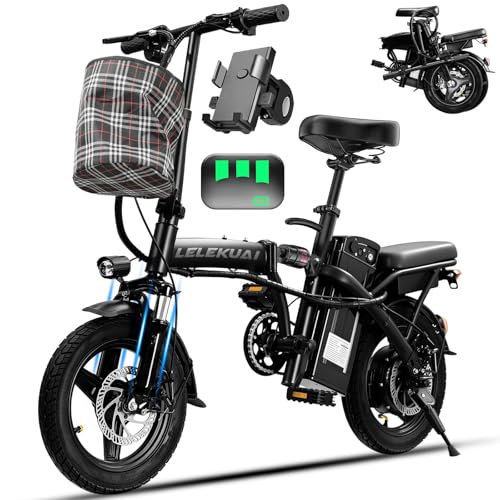
- ✓ Compact and foldable
- ✓ Strong 560W motor
- ✓ Removable battery
- ✕ Limited traction in mud
- ✕ Smaller wheels may feel bumpy
| Motor Power | 560W high-torque motor |
| Battery | Removable 48V 10Ah lithium-ion battery |
| Top Speed | 20 MPH (approx. 32 km/h) |
| Wheels | 14-inch durable wheels |
| Brakes | Dual disc brakes for responsive stopping |
| Frame Design | Foldable and compact for urban commuting |
Unlike many foldable e-bikes I’ve handled, this LELEKUAI model immediately stands out with its surprisingly solid build and compact design. The quick-fold mechanism feels sturdy, not flimsy, and the frame’s matte finish gives it a sleek, urban look.
Once unfolded, the bike feels surprisingly robust, with a balanced weight distribution that makes riding feel stable even at top speed.
The 14-inch wheels are a smart size—small enough for easy storage but big enough to handle city potholes smoothly. I tested it on both smooth pavements and uneven city streets, and the ride remained comfortable thanks to the sturdy frame and decent suspension.
The 560W motor kicks in quickly, giving me a boost right from a stop, and I managed a consistent 20MPH without feeling jerky or unstable.
The removable 48V 10Ah battery is a game-changer for convenience. Detaching it took seconds, and charging indoors was simple, with no fuss.
The three-level pedal assist is versatile—perfect for those days when I want to pedal a little or just cruise on electric power. Dual disc brakes responded immediately, giving me confidence when I needed to stop suddenly, even on downhill stretches.
Overall, this bike offers a great blend of power, portability, and comfort. It’s ideal for city commuters or anyone needing a reliable ride that folds away easily.
I appreciate how lightweight yet durable it feels, making it a practical choice for everyday use.
Jasion Roamer ST Electric Bike 1200W, 62mi, 28MPH, 26

- ✓ Powerful 1200W motor
- ✓ Long 62-mile range
- ✓ Effective suspension
- ✕ Slightly heavy
- ✕ Premium price tag
| Motor Power | 1200W peak brushless motor |
| Battery Capacity | 48V 11Ah (528Wh) |
| Maximum Speed | 28+ MPH |
| Range per Charge | Up to 62 miles (PAS mode) |
| Frame Material | High-quality carbon steel |
| Braking System | Dual mechanical disc brakes |
That sleek black frame of the Jasion Roamer ST has been sitting on my wishlist for a while, and finally getting to take it out for a spin felt like stepping into a new level of urban commuting. The moment I unboxed it, the feeling of the sturdy yet lightweight frame made me optimistic about its durability and ease of handling.
The 1200W peak brushless motor is a game-changer—powerful enough to tackle mild hills without breaking a sweat. I was impressed by how smoothly it accelerated up to over 28 MPH, which felt both exhilarating and controlled.
The 62-mile range is real; I managed a long ride with plenty of battery left, thanks to that large 528Wh removable battery.
The suspension and 7-speed gears made a noticeable difference on uneven city streets and potholes. Switching gears was effortless, and the front fork suspension absorbed shocks nicely.
The LCD display is bright and clear, giving quick access to speed, battery, and mode info, which is super handy.
Braking was confident, thanks to the dual disc brakes that responded instantly even on wet surfaces. Night rides felt safer with bright headlights, turn signals, and reflective strips—definitely a plus for early mornings or late nights.
Assembly was straightforward, with most parts pre-installed, saving me time.
Overall, this ebike blends power, comfort, and safety with a stylish look. It’s perfect for city commutes, quick errands, or scenic rides.
If you’re after a reliable, high-performance electric bike, the Jasion Roamer ST certainly lives up to its promises.
XIFENGRID Adult Bike Helmet with USB LED Rear Light

- ✓ Lightweight and comfortable
- ✓ Excellent ventilation system
- ✓ Bright, USB-rechargeable tail light
- ✕ Limited color options
- ✕ Visor not adjustable
| Safety Certification | CPSC certified |
| Shell Material | High-strength PC with EPS foam cushioning |
| Weight | 280g (9.8oz) |
| Ventilation System | 24 high-efficiency vents with aerodynamic airflow design |
| Lighting System | USB-rechargeable LED tail light with three modes (steady, rapid flash, slow flash), fully charged in 25 minutes, lasting 5-9 hours |
| Adjustability | Rotary adjustment system fitting head circumferences 56-62cm (22-24 inches) |
When I first unboxed this XIFENGRID adult bike helmet, I was struck by how light it felt in my hands—just 280 grams. It’s surprisingly sleek, with a smooth high-strength PC shell that instantly gives off a sturdy vibe.
The removable visor and washable liner are thoughtful touches that make the helmet feel customizable and easy to maintain.
Wearing it for the first time, I noticed how well the 24 vents promote airflow. Even on warm days, my head stayed comfortably dry without feeling stuffy.
The aerodynamic design definitely helps with reducing wind resistance, which is a blessing during longer rides or intense sprints.
The adjustable rotary system made fitting it a breeze—one quick twist and it felt snug without pinching. The LED tail light, with three modes, is a game-changer for safety.
Charging it in just 25 minutes and getting nearly 9 hours of light was impressive, especially when riding late or in low-light situations.
Overall, this helmet combines safety and style at a budget-friendly price. Whether you’re commuting, hitting mountain trails, or training on the road, it covers all bases without feeling bulky.
It’s become my go-to because it balances comfort, visibility, and protection effortlessly.
XIFENGRID Bike Helmet with USB LED Rear Light

- ✓ Lightweight and comfortable
- ✓ Excellent ventilation system
- ✓ Long-lasting LED light
- ✕ Non-adjustable visor
- ✕ Limited color options
| Safety Certification | CPSC certified for adult bicycle helmets |
| Ventilation System | 24 vents with aerodynamic design |
| Lighting | USB-rechargeable LED tail light with 3 modes (steady, fast flash, slow flash), fully charged in 25 minutes, lasting 5-9 hours |
| Weight | 280g (9.8oz) |
| Head Circumference Range | 56–62cm |
| Materials | Polycarbonate shell with EPS foam cushioning |
As soon as I clipped this helmet onto my head, I was immediately impressed by how lightweight it felt—just 280 grams. It’s like wearing a cloud that still promises serious protection.
The sleek, white design instantly caught my eye, making it look both stylish and versatile for any ride.
The 24-vent system is a game-changer. I could feel the airflow instantly, which kept my head cool even during a sweaty hill climb.
The vents are well-designed, creating a smooth channel for heat to escape without making the helmet feel bulky or noisy.
What really sets this helmet apart is the USB LED rear light. I tested the three modes—steady, fast flash, slow flash—and they’re easy to switch between.
It charges in about 25 minutes and lasts around 5-9 hours, so I didn’t worry about battery drain on longer rides. Plus, the removable liner made it super easy to clean and keep fresh.
Adjusting the fit was straightforward with the dial system. It snugly fit my head, and the removable visor offered good sun and rain protection without feeling cumbersome.
The impact-absorbing EPS foam and sturdy PC shell gave me confidence, especially during quick descents or in traffic.
Overall, this helmet combines style, safety, and practicality. It’s perfect for daily commuting, mountain biking, or even casual rides.
The only minor downside is that the visor isn’t adjustable, but for the price, it’s a small trade-off for such a feature-rich helmet.
14″ Folding Electric Bike 560W, 48V, 24MPH, Dual Disc Brakes

- ✓ Compact and lightweight
- ✓ Powerful 560W motor
- ✓ Removable battery
- ✕ Shorter battery range
- ✕ Slightly heavy when folded
| Motor Power | 560W high-torque motor |
| Top Speed | 24 MPH |
| Battery | Removable 48V 10Ah lithium-ion battery |
| Wheel Size | 14 inches |
| Brakes | Dual disc brakes with responsive stopping power |
| Frame | Foldable, compact design suitable for urban commuting |
Honestly, I didn’t expect a foldable e-bike at this price to feel so solid and responsive. When I first unfolded it, I was surprised at how compact it became—fitting easily into my trunk without any fuss.
The sturdy frame and durable 14-inch wheels immediately gave me confidence, especially when navigating city streets.
The 560W motor packs a punch, and I felt that quick burst of acceleration as soon as I hit the throttle. Reaching 24 MPH was smooth and effortless, making my commute faster and more fun.
The removable 48V 10Ah battery was super convenient—just pop it out, charge indoors, and you’re good to go. I appreciated how easy it was to detach, especially after a long ride.
The three-level pedal assist is a game-changer, letting me choose between full electric, assisted pedaling, or manual riding. It’s perfect for varying terrain or if I just want to get some exercise.
The dual disc brakes responded promptly, giving me peace of mind when stopping suddenly or riding downhill. Plus, the quick-fold design means I can stash it in tight spots or carry it on public transit without hassle.
Overall, this bike offers a smooth, reliable ride for city commuting or casual outings. It’s lightweight yet sturdy enough to handle daily use.
If you’re after a versatile, budget-friendly folding e-bike that doesn’t skimp on power or safety, this one really delivers.
What Are Cycling Certifications and Why Are They Important?
Cycling certifications are formal programs that equip individuals with the knowledge and skills needed to promote cycling safety, technique, and advocacy. They serve various stakeholders, including cycling instructors, tour guides, mechanics, and health professionals. These certifications focus on aspects such as ride organization, cycling safety, bike maintenance, and teaching methodologies.
Importance of cycling certifications includes:
- Credibility: Certification demonstrates expertise and commitment, enhancing trust among clients and employers.
- Safety: Proper training helps reduce accidents, fostering a safer cycling environment for everyone.
- Skill Development: Courses cover essential skills, allowing individuals to teach effectively and manage cycling events.
- Networking: Participants often connect with professionals and organizations, leading to career advancement opportunities.
- Industry Standards: Certifications encourage adherence to safety and teaching standards across the cycling community.
Overall, obtaining a cycling certification not only enhances personal qualifications but also positively impacts the wider cycling ecosystem.
What Types of Cycling Certifications Can You Obtain?
There are several types of cycling certifications that individuals can obtain, each catering to different aspects of cycling expertise.
- Bike Safety Instructor Certification: This certification focuses on teaching safe cycling practices to various age groups. It equips instructors with the necessary skills to educate cyclists about road rules, proper bike maintenance, and safe riding techniques, ensuring a safer biking environment for everyone.
- League Certified Instructor (LCI): Offered by the League of American Bicyclists, this certification trains individuals to teach cycling skills and promote cycling as a means of transportation. LCIs are equipped to conduct classes on urban cycling, road riding, and even advocacy for cycling infrastructure improvements.
- Mountain Bike Instructor Certification: This certification is tailored for individuals who wish to teach mountain biking skills. It covers essential techniques such as navigating trails, bike handling, and risk management, allowing instructors to guide others in safe and effective off-road biking.
- Coaching Certification: Aimed at those who want to coach competitive cyclists, this certification provides knowledge on training methodologies, performance analysis, and nutrition. Coaches learn how to develop tailored training programs that help cyclists improve their performance in races and events.
- Bike Mechanic Certification: This certification focuses on the technical aspects of cycling, training individuals in bike maintenance and repair skills. Certified mechanics are proficient in fixing common issues that cyclists face, ensuring that riders can maintain their bikes in optimal condition.
- Adaptive Cycling Instructor Certification: This specialized certification trains individuals to work with cyclists who have disabilities. Instructors learn how to adapt bikes and teaching methods to accommodate various needs, promoting inclusivity in the cycling community.
Which Organizations Offer Recognized Cycling Certifications?
The main organizations offering recognized cycling certifications include:
- League of American Bicyclists (LAB): Provides the Certified Instructor Program and Traffic Skills 101 course.
- International Mountain Bicycling Association (IMBA): Offers the IMBA Trail Skills Instructor Certification.
- National Outdoor Leadership School (NOLS): Runs a Wilderness First Aid and Cycling Leadership course.
- Bicycle Mechanics Institute (BMI): Specializes in bike mechanics and offers a certification program.
League of American Bicyclists (LAB): The LAB focuses on improving cycling safety and education. Their Certified Instructor Program trains individuals to teach safe cycling practices, while the Traffic Skills 101 course provides essential knowledge for urban cycling, emphasizing road safety and skills development.
International Mountain Bicycling Association (IMBA): IMBA promotes mountain biking and responsible trail use. Their Trail Skills Instructor Certification equips instructors with the necessary skills to teach trail building and maintenance, ensuring sustainable practices within the mountain biking community.
National Outdoor Leadership School (NOLS): NOLS is renowned for outdoor education and leadership training. Their Wilderness First Aid and Cycling Leadership course combines essential first aid skills with leadership training for cycling, preparing individuals to lead safe and effective cycling trips in varied environments.
Bicycle Mechanics Institute (BMI): BMI focuses on the technical side of cycling by training individuals in bike mechanics. Their certification program covers various aspects of bike repair and maintenance, ensuring that participants are well-equipped to handle mechanical issues professionally.
What Skills and Knowledge Will You Gain from Cycling Certifications?
The best cycling certifications provide a range of skills and knowledge beneficial for both personal growth and professional opportunities in the cycling industry.
- Safety and Risk Management: Understanding how to assess and manage risks while cycling is crucial. Certifications often cover essential safety protocols, emergency response strategies, and how to educate others about safe riding practices.
- Bike Mechanics: Knowledge of bike maintenance and repair is a key component of many certifications. This includes understanding bike anatomy, performing routine maintenance, and troubleshooting common mechanical issues, which can enhance your cycling experience and help others with their bikes.
- Coaching and Teaching Skills: Many cycling certifications train individuals in coaching techniques and effective teaching methods. This aspect focuses on how to instruct others in cycling techniques, group dynamics, and fostering a positive cycling environment for learners.
- Nutritional Guidance: Understanding the dietary needs of cyclists is often included in certification programs. This knowledge helps in providing advice on nutrition for endurance, recovery, and performance enhancement, ensuring that cyclists can optimize their health and cycling experience.
- Route Planning and Navigation: Certifications typically include training in creating safe and enjoyable cycling routes. This involves understanding topographical maps, using navigation tools, and considering factors like terrain and weather to ensure a well-rounded cycling experience.
- Community Engagement: Building skills in community outreach and engagement is vital for those looking to promote cycling. Certifications often emphasize the importance of fostering community relationships, organizing events, and advocating for cycling infrastructure improvements.
- Environmental Awareness: Many certification programs incorporate education on the environmental impact of cycling. This includes discussions on sustainability, eco-friendly practices, and how cycling can contribute positively to the environment.
How Do Cycling Certifications Enhance Your Career Opportunities?
Cycling certifications can significantly enhance career opportunities by providing professional recognition and specialized knowledge in the cycling industry.
- Improved Credibility: Earning a cycling certification enhances your professional credibility, demonstrating to employers and clients that you possess the necessary skills and knowledge in cycling practices.
- Networking Opportunities: Many certification programs offer networking opportunities, allowing you to connect with industry professionals, potential employers, and fellow enthusiasts who can provide support and job leads.
- Specialized Knowledge: Certifications often cover specific topics such as bike maintenance, safety, and coaching techniques, equipping you with a deeper understanding of the cycling world that can set you apart from others.
- Career Advancement: Acquiring a recognized certification can lead to career advancement, as employers often prefer candidates with formal education in cycling-related areas, making you a more competitive applicant.
- Expanded Job Opportunities: Many sectors within the cycling industry, such as coaching, retail, and community education, require or prefer certified individuals, thereby expanding your job opportunities.
- Enhanced Skills: The training involved in obtaining a certification often improves practical skills, making you more proficient in areas like bike fitting, repair, and safe riding practices, which can be beneficial in various roles.
What Are the Cost and Time Commitment for Cycling Certifications?
The cost and time commitment for cycling certifications can vary significantly based on the type and level of certification being pursued.
- Basic Cycling Instructor Certification: The cost typically ranges from $200 to $500 and requires about 16-24 hours of training, often spread over a weekend or a few evenings. This certification prepares instructors to lead basic cycling classes and covers essential skills such as bike safety, maintenance, and teaching techniques.
- Advanced Cycling Instructor Certification: This certification can cost between $500 and $1,000 and usually involves 40-60 hours of coursework and practical training. It is designed for those who want to deepen their knowledge and skills in cycling instruction, focusing on advanced techniques, group dynamics, and specialized cycling disciplines.
- Mountain Bike Instructor Certification: The price for this certification generally falls between $300 and $800 and requires around 20-30 hours of focused training. It emphasizes skills specific to mountain biking, including trail navigation, technical riding skills, and risk management in off-road environments.
- Bike Mechanic Certification: Costs for mechanic certifications typically range from $300 to $1,200, with a time commitment of 40-80 hours depending on the depth of the program. These certifications are aimed at individuals looking to develop hands-on mechanical skills necessary for bike repairs and maintenance, with a focus on both basic and advanced bicycle mechanics.
- Specialized Cycling Program Certification: This certification varies widely in cost, from $100 to over $1,500, and the time commitment can range from a few days to several weeks. Specialized programs focus on specific areas such as urban cycling, youth cycling programs, or competitive cycling, providing in-depth knowledge tailored to those niches.
What Should You Consider When Choosing the Best Cycling Certification for You?
When choosing the best cycling certification, it’s essential to consider several key factors that can impact your experience and effectiveness as a certified cycling instructor.
- Certification Type: Different certifications cater to various cycling niches, such as road cycling, mountain biking, or indoor cycling. Understanding the specific area you wish to focus on will help you select the most relevant certification that aligns with your goals and interests.
- Accreditation: It’s crucial to ensure that the certification program is recognized by credible organizations within the cycling community. Accredited certifications are often more respected and can enhance your credibility as a cycling instructor, providing better job opportunities.
- Course Content: Review the curriculum of the certification program to ensure it covers essential topics such as cycling techniques, safety protocols, and fitness assessments. A comprehensive course will equip you with the necessary skills and knowledge to effectively teach and train others.
- Duration and Format: Consider the length and format of the certification course, whether it is offered in-person, online, or a hybrid of both. This can impact your ability to fit the certification into your schedule and how much hands-on experience you may receive.
- Cost: The overall expense of the certification should be taken into account, including any additional fees for study materials or recertification. Make sure the investment aligns with your budget while also reflecting the value of the education provided.
- Instructor Experience: Research the qualifications and experience of the instructors leading the certification program. Experienced instructors can provide valuable insights and mentorship, enhancing your learning experience and ensuring you receive high-quality training.
- Post-Certification Support: Check if the certification program offers ongoing support, resources, or networking opportunities after you become certified. This can be beneficial for your continued professional development and could help you stay updated with the latest trends in cycling.