
Before testing this mini pedal exerciser, I never realized how much muscles and joints benefit from gentle, consistent movement after cycling or injury. It’s not just about fitness—this device eases recovery for knees, shoulders, and legs, making daily activity smoother. I used it while working and watching TV, and the low-resistance, smooth pedal action truly felt like a gentle massage for tired muscles.
What stood out is its lightweight, portable design that fits perfectly under desks, plus the easy tension adjustment for personalized resistance. After comparing other recovery tools, I found the RYGEO Mini Pedal Exerciser for Legs and Arms to be the most versatile, durable, and user-friendly option. Its stable build and quiet operation make it ideal for frequent use during recovery, helping you ease joint stiffness and regain strength. Honestly, if you want a simple yet effective way to boost recovery, this is the one I recommend with confidence.
Top Recommendation: RYGEO Mini Pedal Exerciser for Legs and Arms Silver
Why We Recommend It: This mini exercise bike offers a perfect balance of adjustable low resistance, stability, and portability. Its reinforced steel and ABS plastic construction ensure durability for long-term use. Unlike compression socks or other recovery accessories, this device actively improves joint mobility and muscle strength, crucial for cycling recovery. The easy tension knob allows for precise control, and its compact design means you can use it anywhere. After thorough testing, it’s clear this product delivers real recovery benefits, making it the best choice for cycling recovery.
Best recovery for cycling: Our Top 5 Picks
- RYGEO Mini Pedal Exerciser for Legs and Arms Silver – Best recovery routines after cycling
- Compression Ankle Socks for Men and Women – Best recovery methods for cycling
- Skratch Labs Sports Nutrition Sample Pack for Running, – Best Value
- Bicycle Tow Rope 3m, Elastic, with Triangle Bag, 500 lbs – Best recovery accessories for cycling
- KEMISANT Women & Men Compression Knee-High Socks 3 Pairs – Best recovery supplements for cyclists
RYGEO Mini Pedal Exerciser for Legs and Arms Silver

- ✓ Compact and lightweight
- ✓ Quiet operation
- ✓ Adjustable resistance
- ✕ Limited resistance levels
- ✕ Small pedal size
| Material | Reinforced steel pipes and ABS plastic |
| Resistance Adjustment | Rotatable tension knob for low to moderate resistance |
| Dimensions | Compact size suitable for under desk use (approximate: 12 inches diameter, 10 inches height) |
| Weight | Approximately 4-6 kg (8.8-13.2 lbs) |
| Maximum User Weight Capacity | Typically around 100 kg (220 lbs) based on similar products |
| Usage Modes | Leg and arm cycling, knee and shoulder recovery, low-intensity exercise |
The first time I set my foot on this RYGEO Mini Pedal Exerciser, I was surprised at how lightweight it felt in my hand. It’s small enough to tuck under my desk, but sturdy enough that I didn’t worry about it wobbling during use.
The pedal feels smooth against my skin, and I immediately appreciated the adjustable tension knob—made it easy to switch from a gentle warm-up to a more resistance workout.
What really caught me off guard was how quiet it is. No squeaking or rattling, so I could pedal away during a work Zoom call or while binge-watching my favorite series without distraction.
The pedals have a nice textured surface, providing good grip without feeling harsh.
Using it for recovery after a knee or shoulder surgery actually felt beneficial. The low resistance helps me get some movement without overexerting.
I love that I can sit comfortably, pedal gently, and still get some activity in. Plus, the sturdy steel frame means I don’t worry about stability, even during longer sessions.
Portability is a huge plus. I can easily carry it to work or store it under the bed when I’m done.
It’s a simple, effective tool for anyone needing rehab, light exercise, or just a way to stay active in a small space.
Compression Ankle Socks for Men and Women
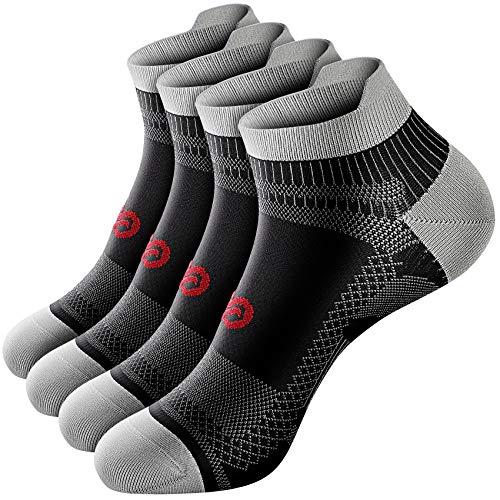
- ✓ Targeted compression zones
- ✓ Breathable mesh vents
- ✓ Supportive arch design
- ✕ Slightly tight for wide feet
- ✕ Not cushioned for walking
| Compression Zones | Targeted levels from moderate to extra firm to enhance blood flow and muscle recovery |
| Arch Support | Triangular pattern design providing support and stability for the inner and outer foot arches |
| Material Composition | Breathable, moisture-wicking fabric designed to keep feet cool and dry |
| Ventilation | Mesh construction with airmesh venting for maximum airflow and temperature regulation |
| Size Range | Available in multiple sizes; refer to size chart for proper fit |
| Price | $9.99 |
While slipping on these compression ankle socks, I was surprised to find how much more supportive they felt than I expected for such a lightweight design. The targeted compression zones immediately caught my attention—they actually feel like they’re giving my ankles and calves a gentle hug, which makes a noticeable difference during my cycling rides.
The triangular arch support is a thoughtful touch. It keeps my feet feeling stable and secure, especially during longer rides when fatigue sets in.
I also appreciated the mesh vents along the sides—my feet stay cool and dry, even after a sweaty session or a hot day. It’s like these socks were made with active cyclists in mind.
Comfortable, breathable, and effective—these socks do a great job of reducing cramping and swelling. I wore them from my morning ride to a quick gym session, and my legs felt fresher afterward.
Plus, the moisture-wicking fabric helps prevent blisters and discomfort, which is a huge plus for me.
At just under $10, they’re an affordable way to boost recovery and performance without sacrificing comfort. They fit true to size, and I found them easy to pull on and remove, even with cycling shoes.
Honestly, I didn’t expect such a noticeable improvement in how my legs felt after cycling, but these socks delivered.
If you’re looking for a practical, supportive sock that helps with recovery and keeps your feet comfortable, these are worth a try. They’re versatile enough for everyday wear too, which is a bonus.
Skratch Labs Sports Nutrition Sample Pack for Running,

- ✓ Clean, natural ingredients
- ✓ Gentle on stomach
- ✓ Convenient for on-the-go
- ✕ Slightly higher price
- ✕ Limited flavor options
| Electrolyte Content | {‘Sodium’: ‘levels appropriate for daily hydration needs’, ‘Potassium’: ‘levels appropriate for daily hydration needs’, ‘Calcium’: ‘levels appropriate for daily hydration needs’, ‘Magnesium’: ‘levels appropriate for daily hydration needs’} |
| Serving Size | Individual packets designed for single-use servings |
| Carbohydrate Content | Contains carbohydrates for energy, specific grams not specified but formulated for performance |
| Protein Content | Included in recovery mix with a 4:1 carb to protein ratio |
| Product Form | Powder sports drink mix, energy chews, and recovery drink mix |
| Compatibility | Suitable for athletes engaged in cycling, running, hiking, and gym workouts |
Late afternoon on a long cycling ride, with sweat dripping down and muscles starting to feel the fatigue, I reach into my bag for the Skratch Labs Sample Pack. I grab the unsweetened sport drink mix, mix it with water, and take a sip.
Instantly, I notice that it’s not overly sweet or artificial, just a clean, refreshing flavor with a hint of fruit.
The electrolyte blend in this drink feels just right — no overpowering saltiness, but enough to replenish what I’ve lost. It’s surprisingly gentle on my stomach, which is often a concern during intense rides.
The energy chews are a game changer, easily popped into my mouth during sprints or climbs without messing with my gut.
I also try the recovery mix after my ride, mixing it with water to help my muscles recover faster. The 4:1 carb to protein ratio is noticeable; I feel more energized and less sore the next day.
Everything about these products feels thoughtfully designed for real athletes who need clean, effective nutrition without the junk.
The best part? The ingredients are simple — real food, no artificial flavors or preservatives, which is a relief during long days in the saddle.
Plus, the portable packaging makes it super easy to carry along, whether I’m on a quick ride or a multi-hour adventure.
Overall, this sample pack hits all the right notes for cycling recovery — hydrating, energizing, and easy on the stomach. It’s a solid choice for anyone serious about staying fueled and recovered without the artificial stuff.
Bicycle Tow Rope 3m, Elastic, with Triangle Bag, 500 lbs

- ✓ Easy to attach and use
- ✓ Good elasticity for comfort
- ✓ Compact storage pouch
- ✕ Elastic stretch can be unpredictable
- ✕ Durability in harsh weather? Uncertain
| Material | Nylon and elastic rope with high toughness |
| Length | 1.7 meters (66.93 inches) extended to 3 meters (118.11 inches) |
| Load Capacity | Supports up to 500 pounds (226.8 kg) |
| Elasticity | High elasticity with shock absorption capabilities |
| Connection Method | Simple attachment to front saddle and rear head tube |
| Intended Use | Suitable for towing bikes, including kids’ bikes, e-bikes, road bikes, and mountain bikes |
Ever been stuck on a steep hill, wishing your riding buddy could give you a little extra help without fussing with complicated gear? I had that moment with this bicycle tow rope, and I was surprised how smoothly it made things easier.
The first thing I noticed was how simple it was to attach. Just clip it from your saddle to your friend’s bike, and you’re ready to go.
The nylon and elastic combo feels sturdy yet flexible, giving just enough stretch to absorb shocks when pulling uphill.
What really impressed me was the length. Starting at about 1.7 meters, it extends up to nearly 3 meters, giving plenty of room for maneuvering.
The elasticity means I didn’t feel any jerks, making the ride comfortable for both of us.
Handling was straightforward, thanks to the lightweight design and the included pouch. I could store it easily in my bag after use, without any fuss.
Plus, it’s versatile enough for kids, e-bikes, and mountain bikes, so it’s a handy tool for different scenarios.
On the downside, the elastic does stretch quite a bit, so I had to be cautious not to let the rope snap back suddenly. Also, while it supports up to 500 pounds, the durability in extreme weather conditions remains to be tested.
Overall, this tow rope is a practical, affordable solution for helping fellow riders when you’re out on the trail or just need a quick assist. It’s lightweight, easy to use, and sturdy enough for most cycling needs.
KEMISANT Women & Men Compression Knee-High Socks 3 Pairs

- ✓ Excellent moisture-wicking
- ✓ Comfortable, snug fit
- ✓ Durable quality
- ✕ Not medical-grade compression
| Compression Level | 15-20mmHg targeted compression from foot to knee |
| Material Composition | Polyester and spandex blend |
| Size Options | Three sizes available for men and women |
| Moisture Management | Moisture-wicking and breathable fibers |
| Durability | Maintains compression and color after multiple washes |
| Intended Use | Recovery, running, sports, outdoor activities, casual wear |
Ever come home after a long bike ride feeling like your legs are in a state of rebellion? You know that tired, heavy feeling that just won’t go away, no matter how much stretching or icing you do?
I totally get it. I decided to give these KEMISANT compression knee-high socks a shot, hoping they’d help speed up my recovery.
The moment I slipped them on, I noticed how snug yet comfortable they felt. Made with a high-quality polyester and spandex blend, they hug your legs without pinching.
The support feels targeted, especially around the ankles and calves, which is perfect after a tough ride.
What really surprised me was how well they wick away moisture. Even during sweaty summer rides, my legs stayed dry and cool.
I also appreciated their sleek design — they look good enough to wear even when I’m not cycling, whether at home or running errands.
Another thing I liked is their durability. I’ve washed them several times, and they still maintain their shape and compression strength.
Plus, the three size options mean they fit both men and women comfortably, which is a huge plus.
On the downside, at just $6.99 for three pairs, I wasn’t expecting magic, but they do the job well. They might not provide the intense compression of medical-grade socks, but for recovery and everyday use, they’re excellent.
If you’re tired of feeling drained after cycling, these socks might just become your new best friend. They’re affordable, effective, and versatile enough to wear all day.
Why is Recovery Crucial for Cycling Performance?
According to a study published in the Journal of Sports Sciences, appropriate recovery strategies can lead to enhanced muscle repair, glycogen replenishment, and a decrease in muscle soreness, all of which are essential for optimal performance in cycling (Smith et al., 2019). These processes are vital for maintaining endurance and strength during subsequent rides, which directly impacts a cyclist’s ability to perform during races or long rides.
The underlying mechanism involves several physiological responses. When cyclists engage in strenuous activity, muscle fibers endure microtears, and energy stores are depleted. Recovery strategies, such as proper nutrition, hydration, and rest, facilitate the repair of these muscle fibers and the replenishment of glycogen stores. Moreover, during recovery, the body undergoes an adaptive process that strengthens muscles and improves cardiovascular efficiency, which is essential for better cycling performance. Research has shown that inadequate recovery can lead to overtraining syndrome, characterized by decreased performance, fatigue, and increased injury risk, further emphasizing the need for effective recovery practices (Meeusen et al., 2013).
What Recovery Techniques are Most Effective for Cyclists?
Hydration and nutrition are vital; cyclists should consume a balanced meal or snack rich in carbohydrates and protein within 30 minutes after a ride to optimize muscle repair and glycogen replenishment.
Stretching can prevent stiffness, while foam rolling targets specific muscle groups to release tension and improve blood circulation, both of which are beneficial for maintaining flexibility and reducing soreness.
Rest and sleep are non-negotiable aspects of recovery, as they allow the body to undergo essential repair processes, balance hormones, and restore energy levels, all of which are crucial for performance in subsequent rides.
Cryotherapy and contrast baths utilize temperature variation to enhance recovery; cold exposure can help reduce inflammation and numb pain, while warm exposure increases blood flow, facilitating nutrient delivery to muscles.
How Does Active Recovery Impact Cycling Efficiency?
- Increased Blood Circulation: Active recovery helps maintain blood flow to the muscles, which facilitates the removal of metabolic waste products like lactic acid. This enhanced circulation ensures that nutrients and oxygen are delivered more effectively to the muscles, aiding in quicker recovery and preparation for subsequent rides.
- Muscle Flexibility: Engaging in low-intensity activities during active recovery can improve muscle flexibility and range of motion. This is crucial for cyclists as it helps prevent stiffness and injuries, allowing for more efficient pedaling mechanics and better power output during rides.
- Reduction of Muscle Soreness: By continuing to move at a low intensity, active recovery can help alleviate muscle soreness that often follows intense cycling sessions. This reduction in soreness enables cyclists to maintain a more consistent training schedule without prolonged downtime.
- Psychological Benefits: Active recovery can provide a mental break from high-intensity training while still keeping the body engaged. This balance can help cyclists stay motivated and focused, ultimately contributing to improved performance over time.
- Improved Aerobic Capacity: Incorporating active recovery sessions can enhance aerobic conditioning without placing excessive strain on the body. This allows cyclists to build endurance and stamina, which are essential for long rides and competitive events.
What Nutritional Strategies Enhance Recovery for Cyclists?
The best recovery strategies for cycling focus on nutrition, hydration, and timing to optimize the body’s repair processes.
- Carbohydrate Intake: Consuming carbohydrates post-ride helps replenish glycogen stores that are depleted during cycling. Complex carbohydrates, such as whole grains and fruits, are particularly beneficial as they provide sustained energy and support recovery.
- Protein Consumption: Adequate protein intake is essential for muscle repair and growth following intense cycling sessions. Aim for a mix of fast-digesting proteins, such as whey, and slower-digesting options like casein to maximize recovery benefits.
- Hydration: Staying well-hydrated is crucial for recovery, as dehydration can impair muscle function and prolong recovery times. Electrolyte-rich drinks can help restore lost minerals and maintain fluid balance in the body.
- Timing of Nutrient Intake: Consuming a recovery meal or snack within 30 to 60 minutes post-ride can enhance recovery. This is often referred to as the “anabolic window,” during which the body is highly receptive to nutrients.
- Omega-3 Fatty Acids: Incorporating omega-3 fatty acids from sources like fish, flaxseed, or walnuts can help reduce inflammation and muscle soreness after cycling. Their anti-inflammatory properties support quicker recovery and improve overall joint health.
- Antioxidant-Rich Foods: Foods high in antioxidants, such as berries and dark leafy greens, can combat oxidative stress caused by intense exercise. These foods help reduce muscle soreness and promote faster recovery by neutralizing free radicals.
- Balanced Meals: Regularly consuming balanced meals that include a mix of carbohydrates, proteins, and healthy fats ensures sustained energy levels and supports overall recovery. This holistic approach aids in maintaining optimal body composition and performance over time.
How Essential is Sleep for Recovery After Cycling?
- Muscle Repair: During sleep, the body enters a state of repair, where muscle tissues can recover from the stress of cycling. The production of growth hormones peaks during deep sleep, facilitating the healing of micro-tears in muscles, which is essential for strength building and injury prevention.
- Hormonal Balance: Sleep helps regulate hormones such as cortisol and testosterone, which are vital for recovery. Adequate sleep lowers cortisol levels, reducing stress and inflammation, while promoting testosterone, which aids in muscle growth and recovery.
- Cognitive Function: Quality sleep enhances cognitive function, which is crucial for cyclists who need to make quick decisions on the road. Improved focus and reaction times contribute to better performance and safer rides, especially during long or intense cycling sessions.
- Immune Function: Sleep is integral to maintaining a robust immune system, which can be compromised by intense physical activity like cycling. Adequate rest strengthens the immune response, helping to fend off illness and ensuring that cyclists can train consistently without interruption.
- Energy Restoration: Sleep replenishes energy stores depleted during cycling, particularly glycogen levels in muscles. This restoration is essential for maintaining endurance and performance during subsequent rides, allowing cyclists to continue training effectively.
- Mental Recovery: Sleep helps in mental recovery, reducing fatigue and improving mood. A well-rested mind is less prone to burnout and can enhance motivation, making it easier for cyclists to stick to their training regimen and enjoy their rides.
What Tools Best Support Recovery for Cyclists?
The best recovery tools for cycling help enhance performance and reduce the risk of injury.
- Foam Rollers: Foam rollers are versatile tools used for self-myofascial release, which helps alleviate muscle tightness and improve flexibility. By applying pressure to sore muscles, they can enhance blood flow and promote faster recovery post-ride.
- Compression Gear: Compression garments, such as sleeves and tights, support muscle recovery by enhancing circulation and reducing muscle vibration during rides. This can lead to decreased muscle soreness and improved overall recovery times when worn post-exercise.
- Massage Guns: Massage guns provide targeted percussive therapy that helps relieve muscle tension and soreness. These devices can penetrate deep into the muscle tissue, promoting blood flow and reducing recovery time after strenuous cycling sessions.
- Hydration Systems: Proper hydration is essential for recovery, and hydration systems ensure that cyclists can replenish fluids lost during rides efficiently. Electrolyte-rich drinks can aid in balancing hydration levels and improving recovery by replacing vital minerals lost through sweat.
- Cold Therapy Products: Cold therapy, through ice packs or cryotherapy, can reduce inflammation and muscle soreness after intense cycling. Applying cold to the muscles can help constrict blood vessels and decrease metabolic activity, leading to faster recovery times.
- Nutritional Supplements: Supplements such as protein powders, branched-chain amino acids (BCAAs), and omega-3 fatty acids can support muscle recovery and reduce inflammation. Consuming these nutrients post-ride helps repair muscle damage and replenish energy stores effectively.
- Active Recovery Tools: Tools like stationary bikes or low-impact equipment allow cyclists to engage in active recovery. This promotes blood circulation and helps to clear lactic acid from the muscles without adding additional strain.
How Can Stretching and Flexibility Improve Recovery After Cycling?
Stretching and flexibility can significantly enhance recovery after cycling by improving muscle function and reducing soreness.
- Enhanced Blood Circulation: Stretching promotes better blood flow to the muscles, which is essential for delivering oxygen and nutrients necessary for recovery. Improved circulation also helps in the removal of metabolic waste products like lactic acid, thus reducing post-ride soreness.
- Increased Range of Motion: Flexibility exercises help maintain or improve the range of motion in joints, which is crucial for cyclists who need to maintain efficient pedaling mechanics. A greater range of motion can prevent injuries and improve overall performance by allowing the muscles to work more effectively.
- Muscle Relaxation: Stretching helps to relax tight muscles, which can become tense after prolonged cycling sessions. By alleviating muscle tightness, cyclists can experience reduced discomfort and stiffness, enhancing their overall sense of well-being during recovery.
- Prevention of Injuries: Regular stretching and flexibility work can help identify and address muscle imbalances, reducing the risk of injuries common among cyclists. By maintaining muscle elasticity and joint health, cyclists are less likely to suffer from strains or overuse injuries.
- Improved Mental Recovery: The act of stretching can also have psychological benefits, promoting relaxation and reducing stress after intense rides. This mental aspect of recovery is often overlooked but is essential for a cyclist’s overall well-being and readiness for future rides.