
As the leaves change and outdoor rides become more common, having reliable energy on your bike is key. I’ve tested everything from gels to chews, focusing on how quickly they energize, their digestibility, and flavor variety. Trust me, nothing is worse than hitting the wall because your fuel was too slow or too heavy.
After lots of hands-on rides, I found that the CLIF BLOKS Energy Chews with Caffeine, Variety Pack stood out. They deliver quick carbs, a caffeine boost, and electrolytes, all with a soft, easy-to-eat texture perfect for mid-ride refueling. Plus, with plant-based ingredients and no artificial flavors, they won’t upset your stomach. If you want something that’s both effective and enjoyable during long rides, I recommend giving these a try. They genuinely make a difference when every second counts.
Top Recommendation: CLIF BLOKS Energy Chews with Caffeine, Variety Pack, 8 Packs
Why We Recommend It: This product offers a balanced combination of quick absorption carbs, a caffeine boost, and electrolytes, making it ideal for sustained cycling efforts. Its soft, flavorful chews are easy to consume on the go, unlike some gels that can be sticky or heavy. Compared to other options, the variety pack ensures motivation and taste options without sacrificing performance or quality.
Best energy for cycling: Our Top 5 Picks
- CLIF BLOKS Energy Chews with Caffeine, Variety Pack, 8 Packs – Best energy chews for cycling
- GU Energy Original Caffeine-Free Gels, 24 Count – Best energy gel for cycling
- GU Energy Tri-Berry Gel, Vegan, Gluten-Free, 8-Count – Best energy gel for cycling
- Skratch Labs Energy Chews & Gels Variety Pack 10 Pack – Best energy supplements for cycling
- GU Energy Original Sports Gel Chocolate Outrage 24 Count – Best energy gel for cycling
CLIF BLOKS Energy Chews with Caffeine, Variety Pack, 8 Packs

- ✓ Tasty and flavorful
- ✓ Easy to carry
- ✓ Contains caffeine and electrolytes
- ✕ Small portion size
- ✕ Caffeine sensitivity needed
| Calories per Serving | 33 calories |
| Carbohydrates | 22-24 grams per serving |
| Caffeine Content | 25-50 milligrams per serving |
| Electrolytes | Includes sodium |
| Flavor Varieties | Black Cherry, Tropical Punch, Orange, Strawberry Lemonade |
| Packaging | 8 individual packs |
Honestly, I was caught off guard by how surprisingly tasty these CLIF BLOKS energy chews are. I expected just a quick fuel source, but the flavors—especially Tropical Punch and Strawberry Lemonade—actually made me look forward to reaching for another.
The soft, not-too-sticky texture means I can chew them quickly without any messy sticking to my fingers.
What really stood out is how convenient they are during a long ride. I simply toss a few packets in my jersey pocket, and they’re ready when I need a quick energy boost.
With about 33 calories per cube and 22-24 grams of carbs, they pack enough punch to keep my muscles fueled without feeling heavy or sluggish.
The caffeine boost—around 25-50mg per serving—gives me that extra push, especially during the last few miles when fatigue hits. Plus, the electrolytes like sodium help me stay hydrated and avoid cramping, which is a lifesaver on hot days.
I also appreciate that they’re made with plant-based, non-GMO ingredients, so I feel good about what I’m consuming.
One thing to keep in mind is that these chews are small, so you might need a couple to really feel the energy boost. Also, if you’re sensitive to caffeine, be mindful of the intake, as a few chews can add up.
Overall, they’re a game changer for anyone needing quick, tasty, and effective energy on the go.
GU Energy Original Caffeine-Free Gels, 24 Count

- ✓ Compact and portable
- ✓ Quick absorption, steady energy
- ✓ Delicious flavor variety
- ✕ Slightly too sweet for some
- ✕ Limited flavor options
| Calories per Gel | 100 calories |
| Electrolytes | Contains essential electrolytes (specific types not specified) |
| Carbohydrate Sources | Maltodextrin and fructose |
| Flavor Varieties | Birthday Cake, Campfire S’mores, Lemon Sublime, Strawberry Banana, Raspberry Lemonade |
| Vegan and Gluten Free | Yes |
| Serving Frequency | Every 20-30 minutes during activity |
Opening a pack of these GU Energy Original Gels felt a bit like unwrapping a little flavor surprise. I immediately noticed how compact and portable they are—perfect for slipping into a pocket or bike jersey without any fuss.
The first thing I tried was the Lemon Sublime flavor. It’s surprisingly smooth, with just enough tang to keep things interesting.
As I kept riding, I appreciated how lightweight and easy to chew they are—no sticky mess or overpowering sweetness.
What really stood out was the dual-source energy from maltodextrin and fructose. It’s designed to absorb quickly, which means I felt a steady boost without that crash some gels cause.
During longer rides, I took one every 20 minutes, and my energy stayed consistent from start to finish.
These gels are vegan and gluten-free, making them accessible for most dietary needs. The variety pack gave me a nice mix of flavors like Strawberry Banana and Campfire S’mores, which kept things fresh over multiple rides.
Plus, the caffeine-free aspect was a plus—I didn’t want jitters or a crash, just clean energy.
Overall, they’re super convenient, with a good balance of electrolytes and calories. The only downside I noticed is that they could be a bit too sweet for some, but that’s personal taste.
Still, they’re a reliable go-to for keeping energy high on long cycling days.
GU Energy Tri-Berry Gel, Vegan, Gluten-Free, 8-Count

- ✓ Great flavor and texture
- ✓ Steady energy boost
- ✓ Electrolytes included
- ✕ Slightly pricey
- ✕ Caffeine might be strong
| Calories per Packet | 100 calories |
| Electrolyte Content | 55mg Sodium, 30mg Potassium |
| Caffeine Content | 20mg per packet |
| Carbohydrate Sources | Maltodextrin and Fructose |
| Amino Acids | Branched-chain amino acids (BCAAs) |
| Serving Frequency | Every 20-30 minutes during activity |
I’ve had this GU Energy Tri-Berry Gel sitting on my wishlist for months, always curious about its hype among cycling friends. When I finally packed a few during a long weekend ride, I was eager to see if it really lived up to the buzz.
The gel comes in a compact, easy-to-squeeze packet that fits perfectly in your jersey pocket. The Tri-Berry flavor is surprisingly fresh and not overly sweet, with a slight berry tang that’s actually pleasant during a ride.
I appreciated the smooth texture—no clumping or weird aftertaste, just a clean, fast-absorbing gel.
What really stood out was the dual-source energy blend from maltodextrin and fructose. It provided a consistent, steady boost without any crashes.
During my ride, I took a packet every 20 minutes, and my energy stayed steady from start to finish. The 20mg caffeine gave me a gentle alertness without jitters, and the added electrolytes helped prevent cramps.
Plus, I liked that it’s vegan and gluten-free, which makes it accessible for various dietary needs. The inclusion of branched-chain amino acids was a bonus, helping me feel less muscle fatigue toward the end.
Overall, it’s a reliable, tasty option that kept me going through hills and sprints.
If I had to find a downside, the price is a tad higher than some other gels, and the caffeine might be too much for sensitive stomachs. Still, for performance and flavor, it’s a solid choice for serious cyclists.
Skratch Labs Energy Chews & Gels Variety Pack 10 Pack

- ✓ Easy to chew and digest
- ✓ Natural fruit flavor
- ✓ Portable and mess-free
- ✕ Slightly pricey
- ✕ Limited flavor options
| Carbohydrate Content | 19 grams of fast-acting carbohydrates per serving (glucose + fructose) |
| Serving Size | Per chew or gel pack (exact size not specified, but designed for portable consumption) |
| Digestibility | Easily digestible soft, chewable texture suitable for intense efforts |
| Ingredients | Made with real fruit, no artificial sweeteners, colors, or preservatives |
| Intended Use | Designed for endurance activities such as cycling, running, hiking, and long-duration workouts |
| Packaging | 10-pack variety box for convenient on-the-go fueling |
Unlike traditional gels that can feel sticky and heavy in your mouth, these Skratch Labs Energy Chews & Gels Variety Pack instantly caught my attention with their soft, chewable texture. They are surprisingly easy to pop in during a tough ride or run without interrupting your rhythm.
The moment I tried them, I noticed how quickly they dissolved, thanks to the blend of glucose and fructose providing 19 grams of fast-acting carbs. No choking on thick gels or dealing with crumbly blocks—just a smooth chew that delivers a steady burst of energy.
What really sets these apart is the flavor. Made with real fruit, they taste fresh and natural, not sickly sweet or artificial like some other options.
Plus, they feel gentle on your stomach, even during intense efforts, which is a huge plus for long rides or races.
They are incredibly portable, fitting easily into a pocket or saddle bag. The pack gives you enough variety to keep things interesting without having to switch brands mid-ride.
I appreciated that they don’t leave a sticky mess behind—perfect for quick fueling without the cleanup.
Overall, these chews and gels strike a great balance: quick energy, easy digestion, and good flavor. They’re a reliable choice whether you’re cycling, running, or hiking, especially when you need a boost without the hassle.
GU Energy Original Sports Gel Chocolate Outrage 24 Count
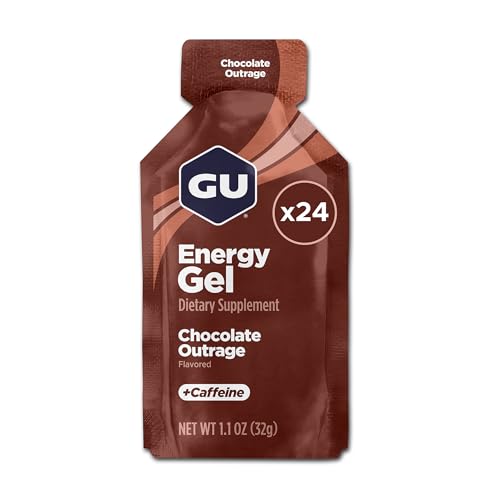
- ✓ Delicious chocolate flavor
- ✓ Light, easy-to-swallow texture
- ✓ Includes electrolytes and amino acids
- ✕ Slightly pricey
- ✕ Contains caffeine (not for everyone)
| Calories per Packet | 100 calories |
| Electrolyte Content | 50mg Sodium, 40mg Potassium per packet |
| Caffeine Content | 20mg per packet |
| Serving Frequency Recommendation | Every 20-30 minutes during activity |
| Amino Acids | Branched-chain amino acids (BCAAs) to help decrease muscle damage and mental fatigue |
| Dietary Certifications | Vegan and Gluten Free |
There was a moment during my long ride when I realized I had been craving something chocolaty to keep me going. That’s when I finally cracked open the GU Energy Original Sports Gel in Chocolate Outrage I’d been eyeing for weeks.
The sleek, easy-to-tear packet felt like a lifeline in that moment, and I was eager to see if it truly lived up to the hype.
First off, the flavor hits just right—rich, smooth, and not overly sweet. It’s a welcome change from some gels that can taste artificial or overly processed.
The texture is surprisingly light and not thick or gloopy, which makes it easy to swallow on the go. I appreciated that it didn’t stick to my mouth or leave a weird aftertaste.
Performance-wise, I felt a quick boost of energy within about 10 minutes, which is pretty standard for these gels. The caffeine content (20mg) gave a nice mental lift without jitters.
The inclusion of electrolytes like sodium and potassium helped me avoid cramping, especially on a hot day. The branched-chain amino acids seemed to aid recovery and reduce muscle fatigue, which I noticed after a few consecutive climbs.
It’s also great knowing it’s vegan and gluten-free, fitting my dietary needs without hassle. The portability means I can stash a few in my jersey pocket or pack without worrying about leaks or bulk.
Overall, it’s a reliable, tasty option that keeps me fueled during those tough rides.
What Are the Most Effective Energy Sources for Cyclists?
For cyclists, the right energy sources can significantly impact performance, endurance, and recovery. Effective energy sources for cycling include:
-
Carbohydrates: The primary fuel for cyclists, carbohydrates are stored as glycogen in muscles and the liver. Foods such as pasta, rice, fruits, and energy gels are excellent sources. Consuming 30-60 grams of carbohydrates per hour during rides can help maintain energy levels.
-
Electrolytes: Essential for hydration and preventing cramping, electrolytes like sodium, potassium, and magnesium can be replenished through sports drinks or supplements. Hydrating with an electrolyte-infused beverage during extended rides is crucial.
-
Protein: Necessary for muscle recovery, protein helps repair tissues after intense cycling sessions. Incorporate sources such as lean meats, dairy, nuts, and protein shakes within an hour post-ride.
-
Fats: While slower to metabolize, fats serve as a long-lasting energy source, especially on longer rides. Incorporate healthy fats from sources like avocados, nuts, and olive oil into your diet.
Balancing these energy sources is key to optimizing cycling performance and ensuring adequate recovery for future rides.
How Do Carbohydrates Fuel Cycling Performance?
Quick Energy Release: Carbohydrates, particularly simple sugars, can be quickly metabolized, providing immediate energy. This is particularly important in cycling, where performance can depend on rapid energy availability for sprints or prolonged efforts.
Endurance and Stamina: For long-distance rides, consuming carbohydrates can help sustain energy levels, allowing cyclists to maintain a steady pace without succumbing to fatigue. Studies have shown that athletes who consume adequate carbohydrates during endurance events can significantly improve their performance and delay the onset of exhaustion.
Recovery Post-Ride: After cycling, it is essential to replenish glycogen stores to prepare for future workouts. Consuming carbohydrates in the recovery phase enhances glycogen resynthesis and supports muscle recovery, making it a vital component of any cyclist’s nutrition plan.
Why Are Fats a Crucial Energy Source for Endurance Cycling?
Fats are a crucial energy source for endurance cycling because they provide a dense source of energy that can sustain prolonged physical activity, particularly when carbohydrate stores become limited.
According to a study published in the Journal of Applied Physiology, fat oxidation increases significantly during prolonged, moderate-intensity exercise, enabling athletes to tap into their fat stores after glycogen levels deplete. This is particularly important for endurance cyclists who may exercise for several hours, as the body can utilize fat as a more sustainable energy source than carbohydrates in such scenarios.
The underlying mechanism involves the way our body metabolizes nutrients. During prolonged exercise, the body shifts from using carbohydrates stored as glycogen to fats stored in adipose tissue. This shift occurs because fat provides a higher caloric yield per gram compared to carbohydrates, yielding approximately 9 calories per gram versus 4 calories per gram for carbohydrates. As the duration of exercise extends, the reliance on fat metabolism increases, allowing cyclists to maintain energy levels without the need for frequent carbohydrate replenishment, thus prolonging endurance performance.
Additionally, the aerobic metabolic pathways, which are predominately used during endurance activities, are more efficient in utilizing fats as a fuel source. When oxygen is abundant, as it typically is during steady-state, moderate-intensity cycling, the oxidation of fatty acids becomes favored. This process not only spares glycogen but also contributes to a more stable energy release, preventing sudden drops in energy that can occur with carbohydrate reliance.
How Should Cyclists Optimize Their Nutrition for Energy?
To optimize their nutrition for energy, cyclists should focus on several key aspects of their diet and hydration strategies.
- Carbohydrates: Carbohydrates are the primary source of energy for cyclists, providing the fuel needed for both short bursts of speed and endurance rides. It is recommended that cyclists consume complex carbohydrates like whole grains, fruits, and vegetables, as they release energy slowly and sustain performance over longer periods.
- Hydration: Staying well-hydrated is crucial for maintaining energy levels during cycling. Dehydration can lead to a significant drop in performance, so cyclists should drink water regularly and consider electrolyte-rich drinks during longer rides to replace lost salts and minerals.
- Protein: While carbohydrates are key for energy, protein plays a vital role in recovery and muscle repair after cycling. Incorporating lean protein sources like chicken, fish, beans, and dairy into post-ride meals can help rebuild muscle and improve overall recovery times, which is essential for maintaining energy levels for subsequent rides.
- Fats: Healthy fats should not be overlooked, as they serve as a secondary energy source during longer rides, particularly when glycogen stores are depleted. Sources of healthy fats include avocados, nuts, seeds, and olive oil, which also provide essential fatty acids that support overall health.
- Timing of Meals: The timing of meals and snacks can greatly affect energy availability during cycling. Cyclists should aim to eat a carb-rich meal 2-3 hours before a ride, and consider consuming quick-digesting carbohydrates, like energy gels or bananas, during long rides to maintain energy levels.
- Supplements: Some cyclists may benefit from energy supplements such as gels, chews, or electrolyte tablets, especially during intense training or long rides. These products are designed to provide quick energy and can be easily consumed while on the move, helping to maintain performance without the need for solid food.
What Foods Should Cyclists Consume Before, During, and After Rides?
Cyclists should focus on a balanced intake of carbohydrates, proteins, and fats before, during, and after their rides to optimize performance and recovery.
- Before Rides: Consuming easily digestible carbohydrates such as bananas or oatmeal provides the necessary energy boost for cyclists.
- During Rides: Quick energy sources like energy gels, chews, or sports drinks help maintain stamina during a ride, especially on longer journeys.
- After Rides: A combination of protein and carbohydrates, such as a smoothie with yogurt and fruit, aids in muscle recovery and replenishes glycogen stores.
Before rides, cyclists should aim for foods that are high in carbohydrates and low in fat and fiber to prevent gastrointestinal discomfort. Options like bananas, oatmeal, or a slice of toast with jam can enhance energy levels without weighing them down.
During rides, especially those lasting over an hour, cyclists benefit from quick-digesting energy sources. Energy gels and chews are designed to provide rapid glucose absorption, while sports drinks offer hydration alongside essential electrolytes, which are crucial for endurance and performance.
After rides, it’s important to focus on recovery. Consuming a meal or snack that includes both protein and carbohydrates helps repair muscle tissue and replenish glycogen stores. For example, a smoothie made with Greek yogurt, fruit, and perhaps some spinach can provide a refreshing and nutrient-rich option to restore energy levels effectively.
How Can Proper Hydration Maximize Cycling Performance?
Proper hydration is crucial for maximizing cycling performance and ensuring optimal energy levels during rides.
- Maintaining Fluid Balance: Staying hydrated helps maintain the body’s fluid balance, which is essential for cardiovascular function during cycling.
- Enhancing Endurance: Adequate hydration improves endurance by preventing dehydration, which can lead to fatigue and decreased performance.
- Regulating Body Temperature: Proper hydration helps regulate body temperature, allowing cyclists to perform better, especially in hot conditions.
- Aiding in Nutrient Transport: Hydration is vital for the effective transport of nutrients and electrolytes, which are necessary for sustained energy levels.
- Improving Mental Focus: Staying well-hydrated can enhance cognitive function, leading to better decision-making and focus while cycling.
Maintaining fluid balance is critical as it ensures that the heart can pump blood effectively, delivering oxygen to muscles during strenuous activity. When hydration is optimal, cyclists can sustain their energy levels for longer periods without feeling fatigued.
Enhancing endurance through proper hydration is vital since even a small amount of fluid loss can significantly impact performance. Dehydration can lead to quicker onset of fatigue, making it harder to maintain pace and intensity during rides.
Regulating body temperature is another important function of hydration, as it allows the body to sweat and cool down efficiently. In hot weather, proper hydration can prevent overheating, which is crucial for maintaining performance and comfort.
Aiding in nutrient transport emphasizes the role of water in facilitating the absorption of carbohydrates and electrolytes, which are essential for energy production in cycling. Without adequate hydration, the body may struggle to utilize these nutrients effectively, hindering performance.
Improving mental focus is often overlooked but is equally important, as hydration influences cognitive functions like reaction time and coordination. Cyclists who remain well-hydrated can make better decisions and react more quickly to changing conditions on the road.
What Role Do Supplements Play in Enhancing Energy for Cycling?
Supplements can play a significant role in enhancing energy levels for cycling through various means such as improving endurance, reducing fatigue, and promoting recovery.
- Caffeine: Caffeine is a well-known stimulant that can enhance performance by increasing alertness and reducing perceived effort during cycling. It works by blocking adenosine receptors, which helps to maintain energy levels and improve focus, making it easier to push through challenging rides.
- Carbohydrate Gels: Carbohydrate gels provide a quick source of easily digestible carbohydrates that can enhance glycogen stores during long rides. These gels help to maintain blood sugar levels, providing sustained energy and delaying fatigue, which is crucial for endurance cyclists.
- Electrolyte Supplements: Electrolyte supplements are essential for maintaining hydration and preventing muscle cramps during prolonged cycling. They replenish lost minerals such as sodium, potassium, and magnesium, which are vital for muscle function and energy production, especially in hot or humid conditions.
- BCAAs (Branched-Chain Amino Acids): BCAAs can help reduce muscle soreness and fatigue during and after cycling. By providing essential amino acids that the body uses for energy, they can improve overall endurance and recovery times, allowing cyclists to train harder and more frequently.
- Beetroot Juice: Beetroot juice is rich in nitrates, which have been shown to enhance exercise performance by improving blood flow and reducing the oxygen cost of exercise. This can lead to improved stamina and endurance for cyclists, helping them ride longer distances with less effort.
- Multivitamins: Multivitamins help ensure that cyclists meet their daily nutritional needs, which is crucial for optimal energy levels and recovery. By filling in nutritional gaps, they support overall health and well-being, allowing cyclists to perform at their best.
Which Supplements Are Recommended for Boosting Cycling Energy?
When it comes to enhancing cycling performance, several supplements are recognized for their ability to boost energy levels:
-
Caffeine: Widely studied for its ergogenic effects, caffeine increases endurance and decreases perceived effort. Found in coffee, tea, and energy gels, it can improve performance during long rides.
-
Beta-Alanine: This amino acid helps buffer acid in muscles, reducing fatigue during high-intensity efforts. Typically available in powder or capsule form, beta-alanine may be beneficial for cyclists engaging in sprinting or hill climbs.
-
BCAAs (Branched-Chain Amino Acids): Comprising leucine, isoleucine, and valine, BCAAs can help reduce muscle soreness and promote recovery. They are usually taken before or during rides.
-
Creatine: Commonly associated with strength training, creatine can also benefit cyclists by improving short bursts of high-intensity effort, such as sprints.
-
Electrolytes: Maintaining hydration and electrolyte balance is crucial, especially on long rides. Electrolyte supplements can help prevent cramping and fatigue by replenishing sodium, potassium, and magnesium lost in sweat.
-
Carbohydrate Gels or Drinks: Quick sources of glucose, they provide the necessary energy for extended rides, helping to prevent fatigue by maintaining blood sugar levels.
Incorporating some of these supplements, along with a balanced diet, can significantly enhance cycling energy and performance.
How Does Caffeine Affect Cycling Performance?
Caffeine is widely recognized for its performance-enhancing effects in cycling, influencing various aspects of physical performance.
- Increased Endurance: Caffeine has been shown to enhance endurance by increasing the time to exhaustion during prolonged exercise. It works by mobilizing fatty acids from adipose tissue, allowing cyclists to utilize fat as fuel instead of glycogen, thereby preserving energy stores.
- Improved Focus and Reaction Time: Caffeine stimulates the central nervous system, leading to improved alertness and quicker reaction times. This heightened focus can be particularly beneficial during competitive cycling events, where split-second decisions can impact performance.
- Reduced Perceived Effort: Athletes often report that caffeine reduces the perception of effort during exercise. This means that cyclists may feel less fatigued and more capable of pushing themselves harder, potentially leading to improved performance in races.
- Enhanced Muscle Contraction: Caffeine can increase the release of calcium ions in muscle cells, which enhances muscle contraction and overall power output. This can translate to stronger pedal strokes and improved climbing ability on the bike.
- Optimal Dosage Timing: For maximum benefits, timing and dosage of caffeine intake are crucial. Consuming caffeine about 30-60 minutes before cycling can help maximize its ergogenic effects, while amounts between 3-6 mg per kg of body weight are often recommended for optimal performance enhancement.
What Is the Optimal Timing and Dosage of Caffeine for Cyclists?
Caffeine is defined as a central nervous system stimulant that temporarily wards off drowsiness and restores alertness, commonly consumed in coffee, tea, and energy drinks. In the context of cycling, it is often utilized to enhance performance through improved endurance and reduced perceived exertion.
According to a review published in the Journal of Sports Medicine, caffeine can significantly enhance athletic performance, particularly in endurance sports like cycling. The study indicates that a dosage of approximately 3-6 mg of caffeine per kilogram of body weight taken 30 to 60 minutes before exercise can provide optimal benefits (McLellan, T.M., et al., 2016).
Key aspects of caffeine’s impact on cycling performance include its role in increasing the release of adrenaline, which can improve energy availability, and its ability to enhance fat oxidation, allowing cyclists to utilize fat stores more efficiently during endurance rides. Additionally, caffeine can lower the perception of effort, making strenuous activity feel easier, which can be particularly beneficial in competitive scenarios.
This impacts cyclists in various ways. Research indicates that caffeine can lead to performance improvements of 1-3% in time trials and endurance events, translating to significant gains in competitive racing scenarios. Furthermore, a systematic review found that caffeine consumption can help cyclists sustain higher power outputs for longer durations, making it a valuable tool for both recreational and elite athletes.
The benefits of caffeine extend beyond performance. It is often used strategically by cyclists to maintain focus and alertness during long rides, particularly in challenging conditions or when fatigue sets in. Moreover, caffeine can aid in recovery post-exercise due to its role in glycogen resynthesis when consumed with carbohydrates.
Best practices for cyclists include experimenting with different dosages and timing during training sessions to determine individual tolerance and response. It is advisable to gradually introduce caffeine into a cyclist’s routine to avoid potential side effects such as jitteriness or gastrointestinal distress. Cyclists should also consider their hydration status, as caffeine has diuretic properties that can contribute to fluid loss. Maintaining a balance between caffeine intake and hydration is crucial for optimal performance.
Related Post: